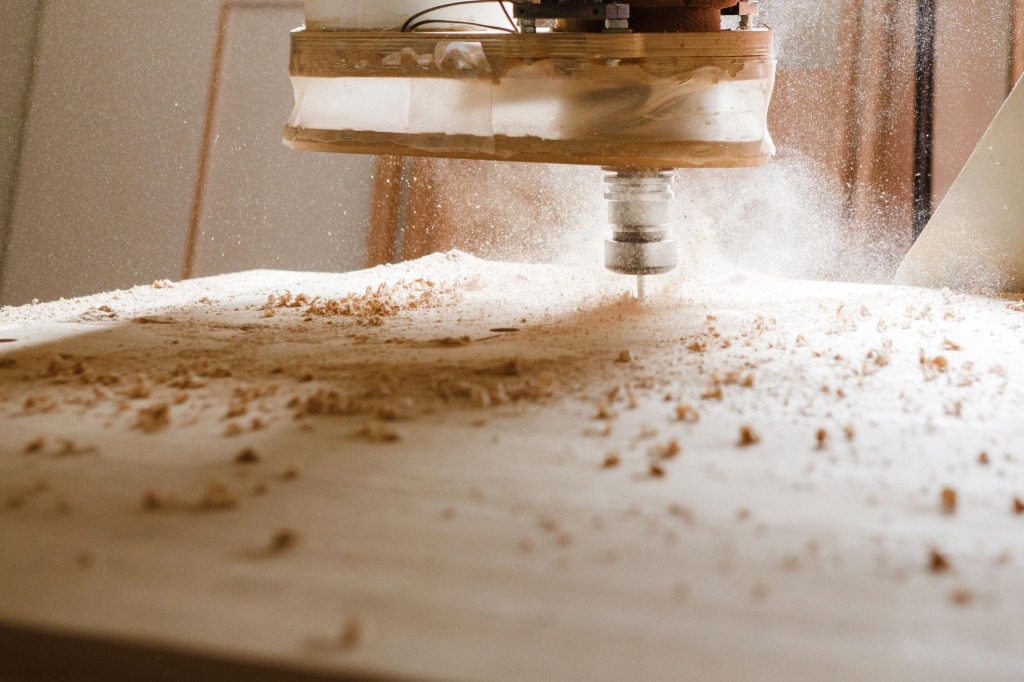
Table legs · balusters · wood columns
What does this service do?
CNC wood turning suits parts formed around an axis, such as furniture legs, balusters and decorative columns. Feasibility requires a dimensioned drawing or sample, timber species, blank details, quantity, surface requirements and mating features.
When is this service suitable?
- Furniture legs, balusters and columns with rotational geometry.
- Orders repeated from one approved sample.
- Parts with clearly defined tenons, centers or mating ends.
Confirm these points before ordering
- Non-rotational details may require milling or carving in addition to turning.
- Natural grain and defects still influence the finished appearance.
- Consistency should be judged against dimensions and an approved sample, not an absolute claim.
Turning table and chair legs from samples
Furniture legs are an application of wood turning and remain a section until SERP evidence supports a separate page.
Shape data
Send a dimensioned side profile or an intact measurable sample.
Mating features
Define tenons, centers and contact surfaces with the frame or tabletop.
Approval sample
Agree revision, measurement points and appearance before using a sample as the batch reference.
Turning stair balusters and wood columns
Balusters and columns need length, transition diameters, mating features and blank specifications; machine limits are confirmed per order.
Stair posts
Distinguish newel posts, balusters and decorative parts to choose blanks and holding method.
From a sample
Agree how worn or bent samples will be reconstructed before digitizing the profile.
Production volume
Record the master sample, measurement points and lot method before repeat production.
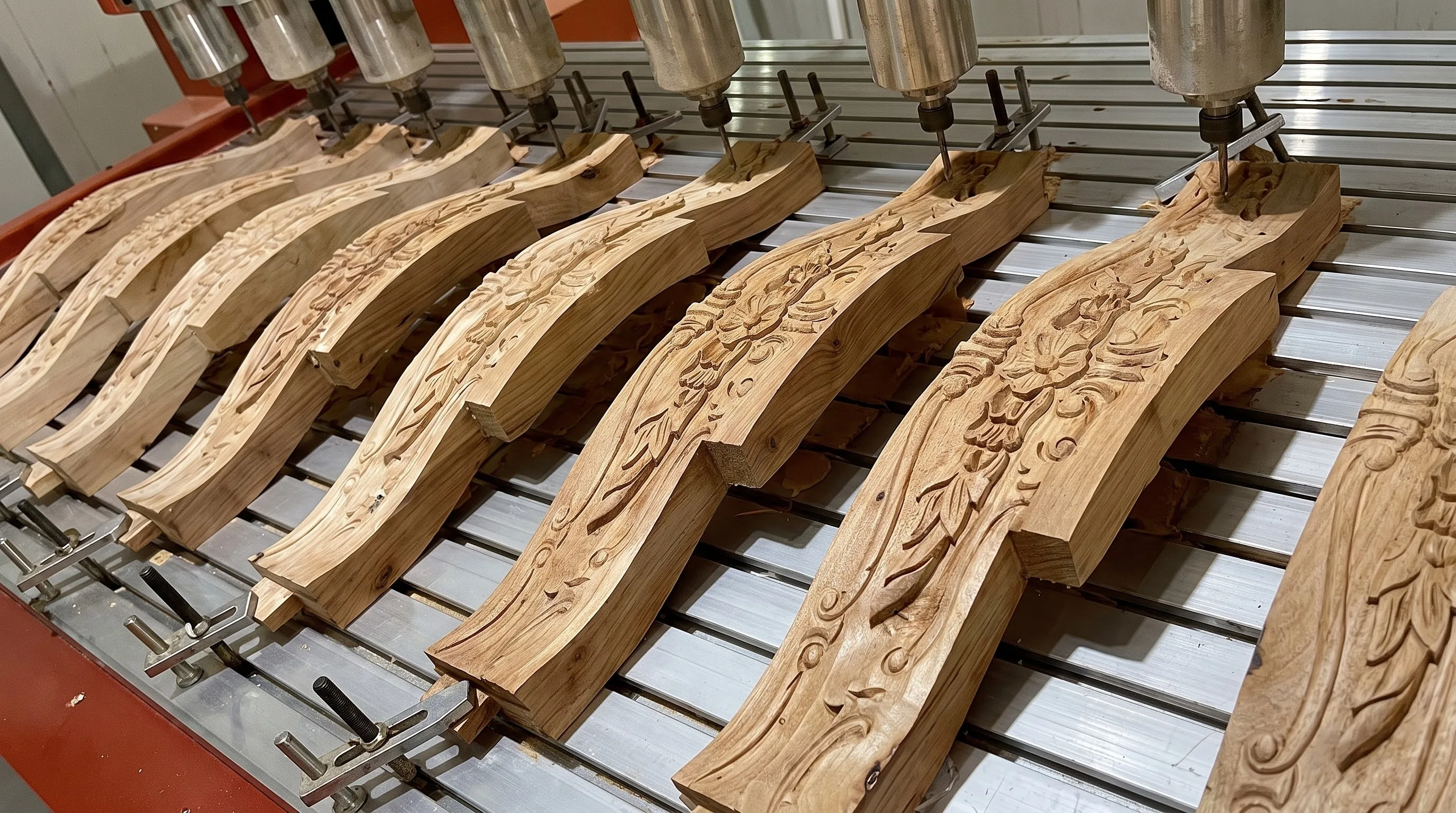
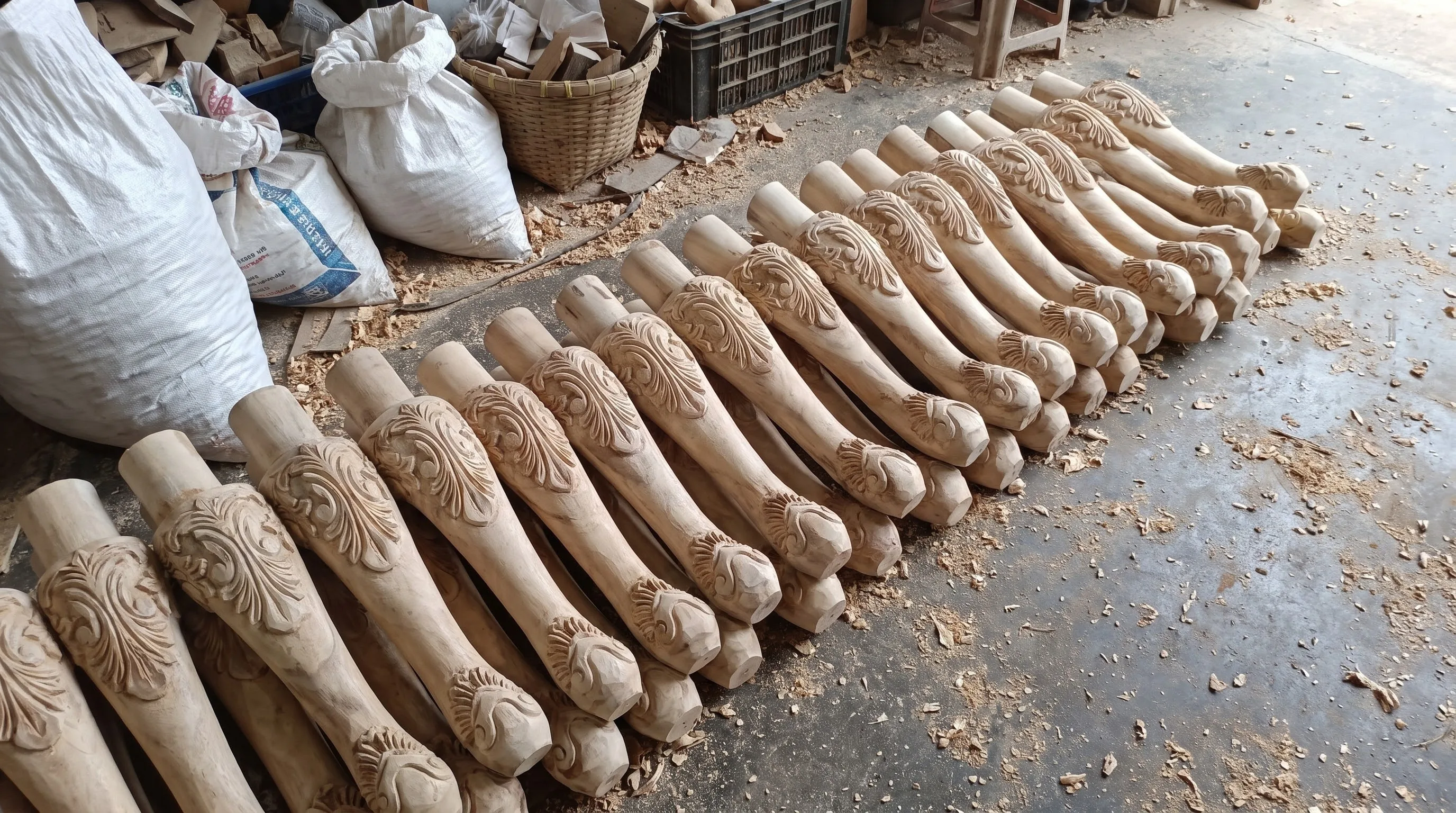
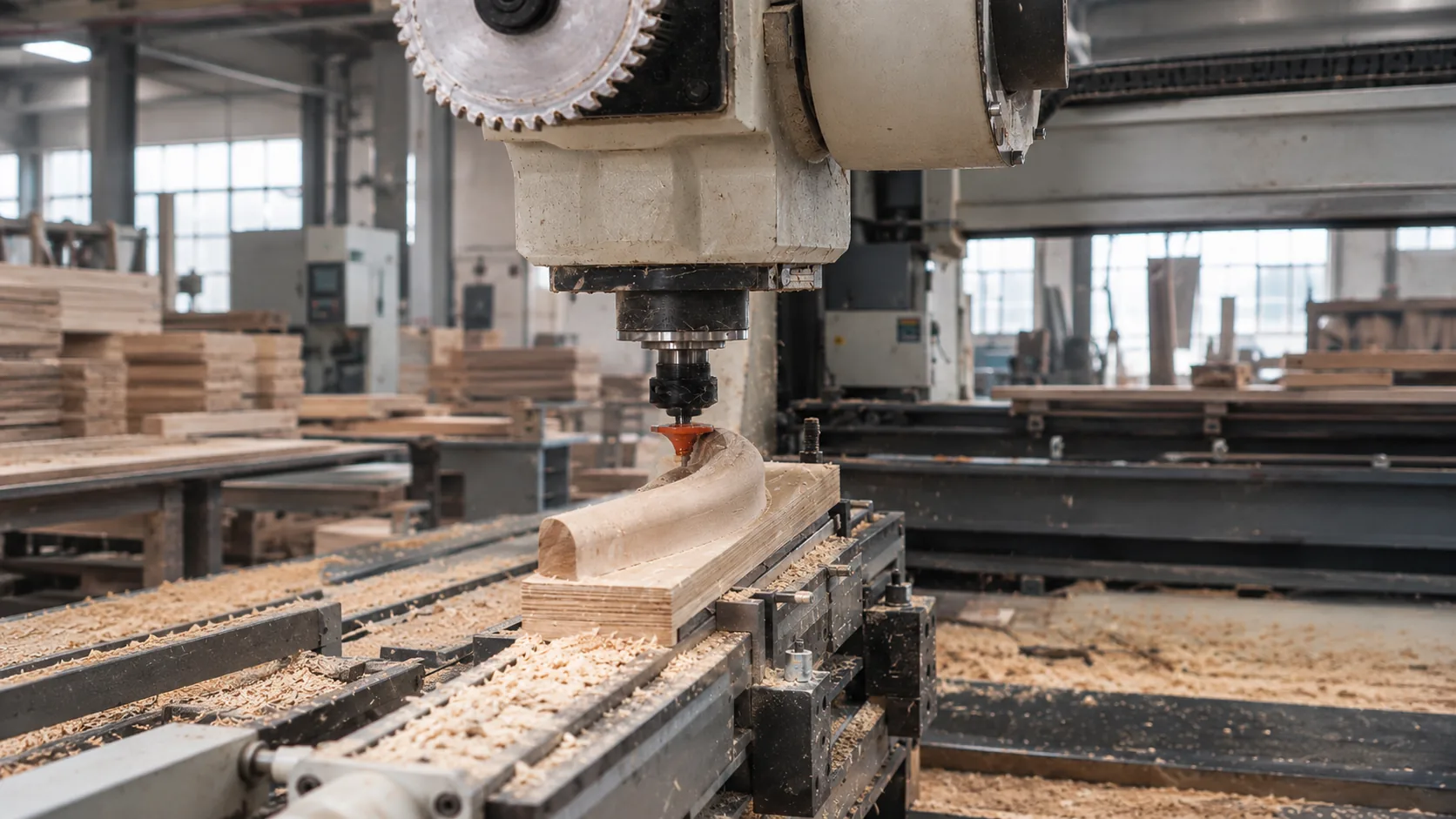
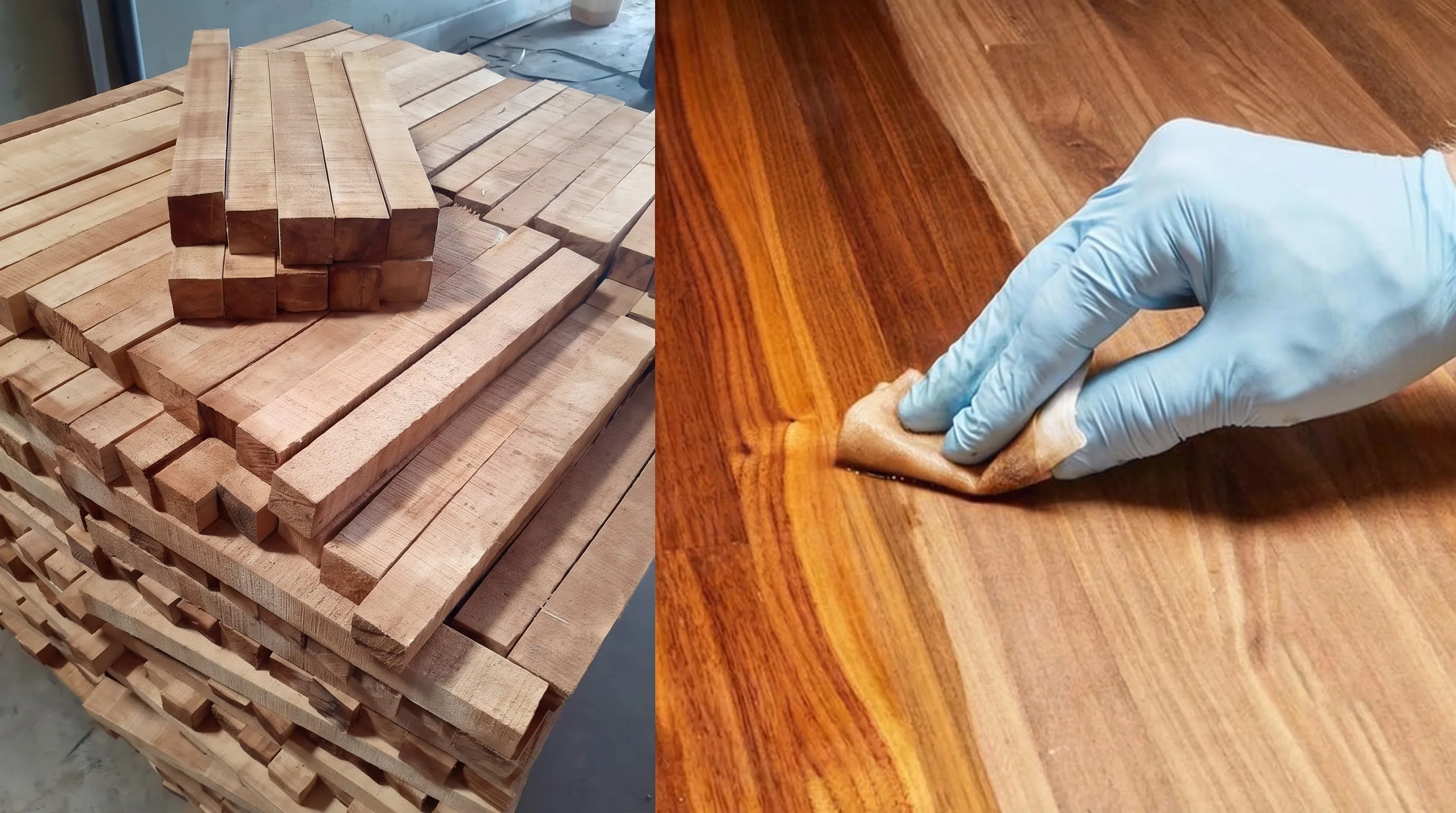
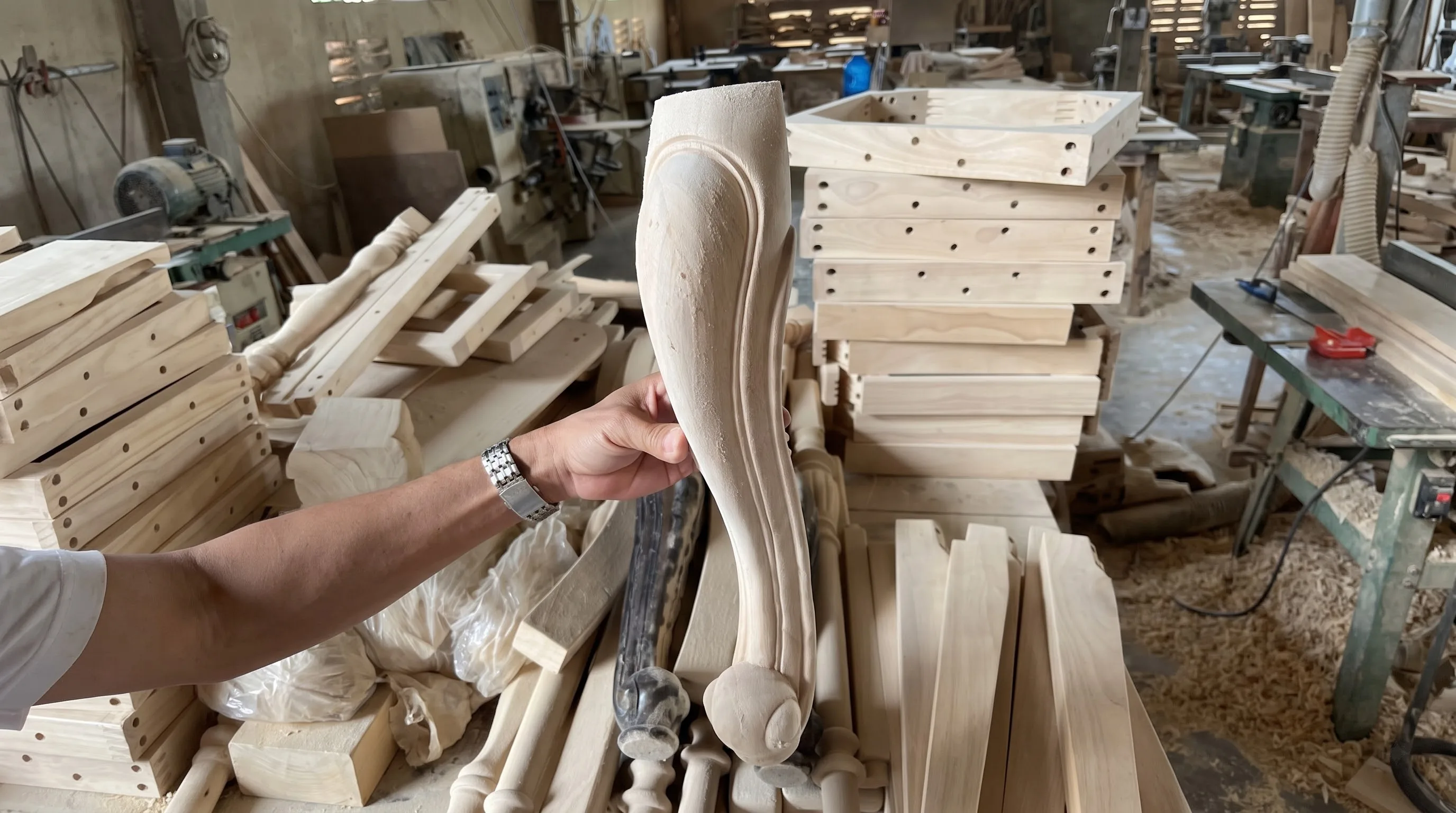
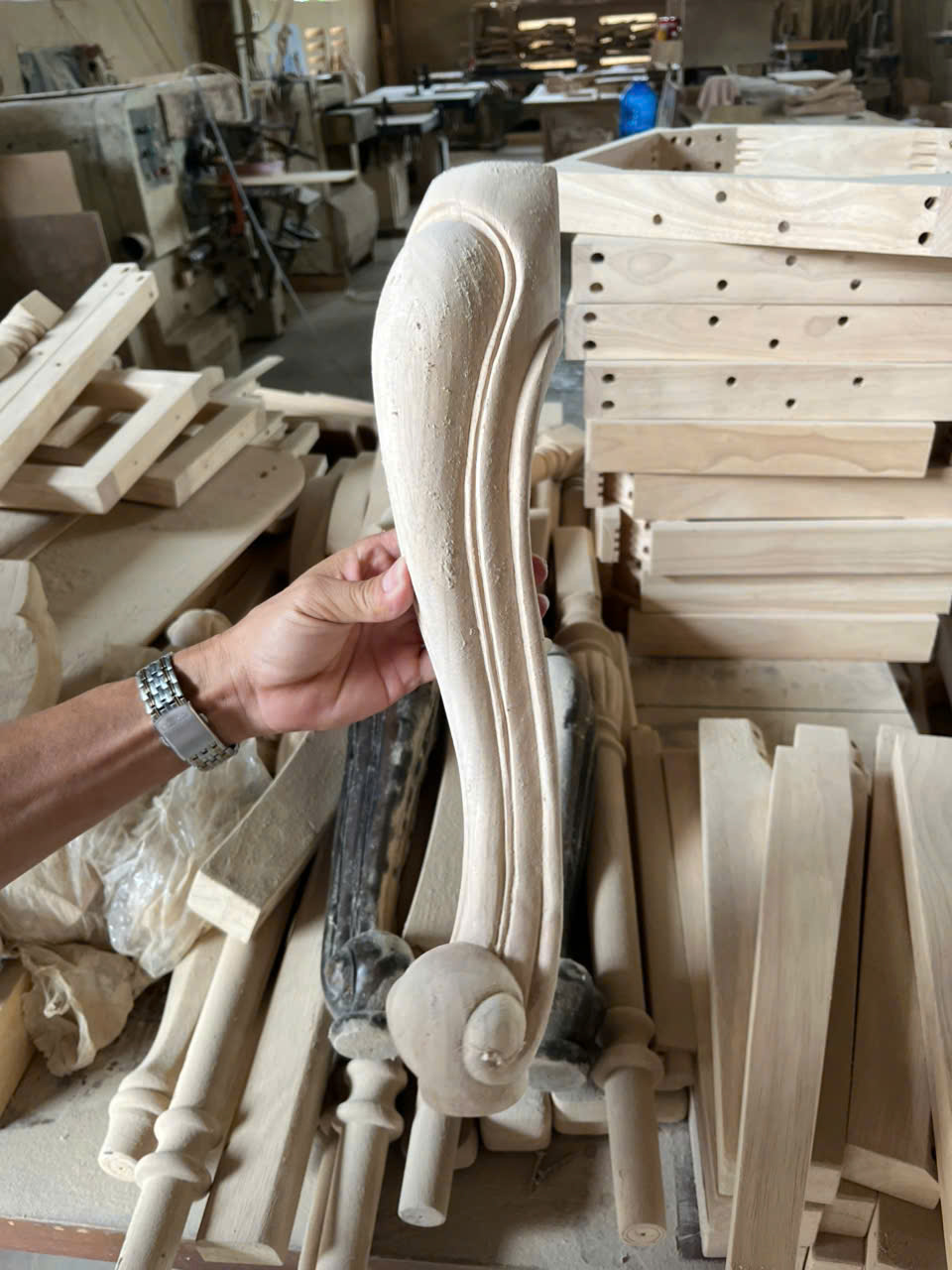
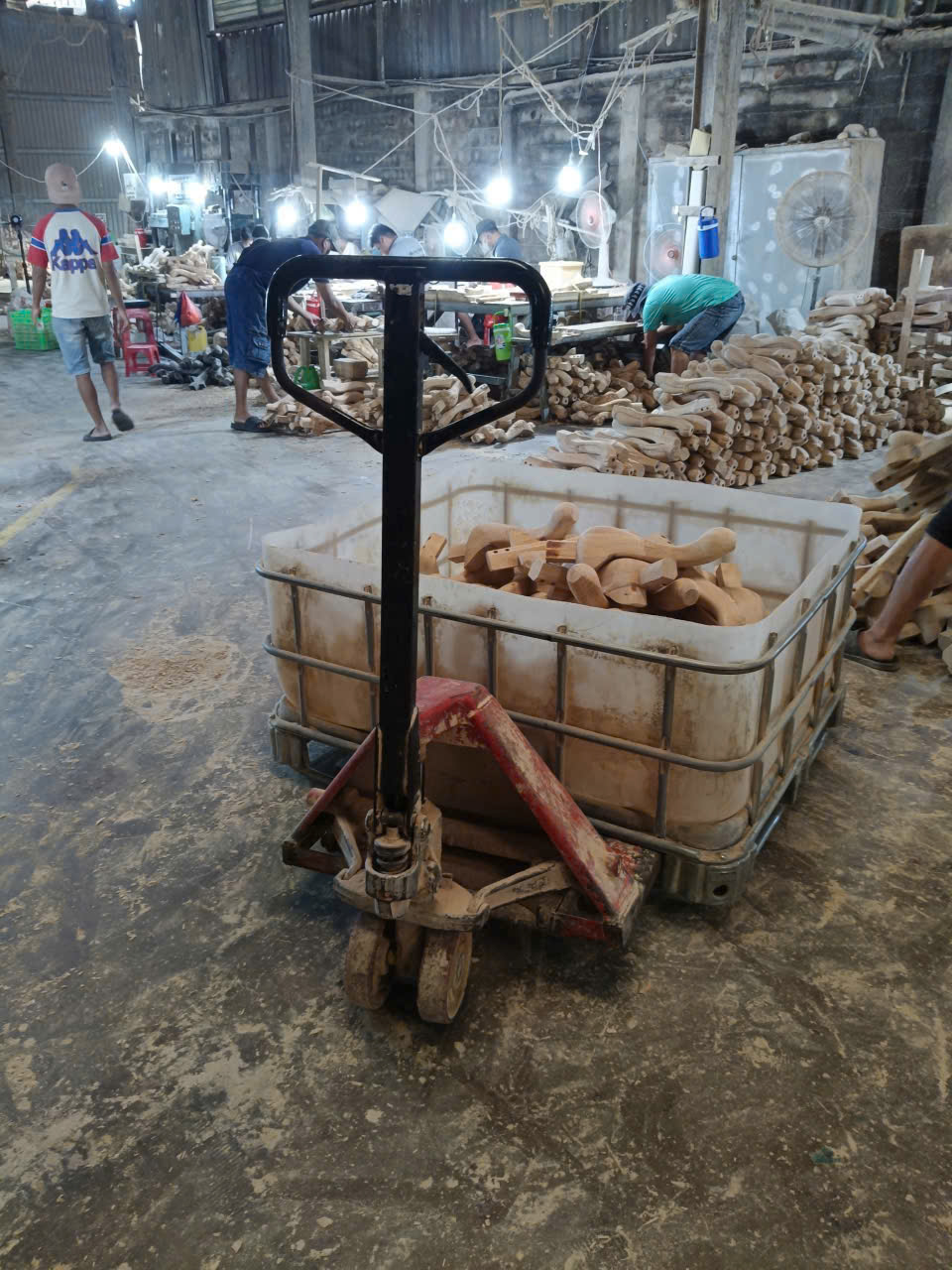
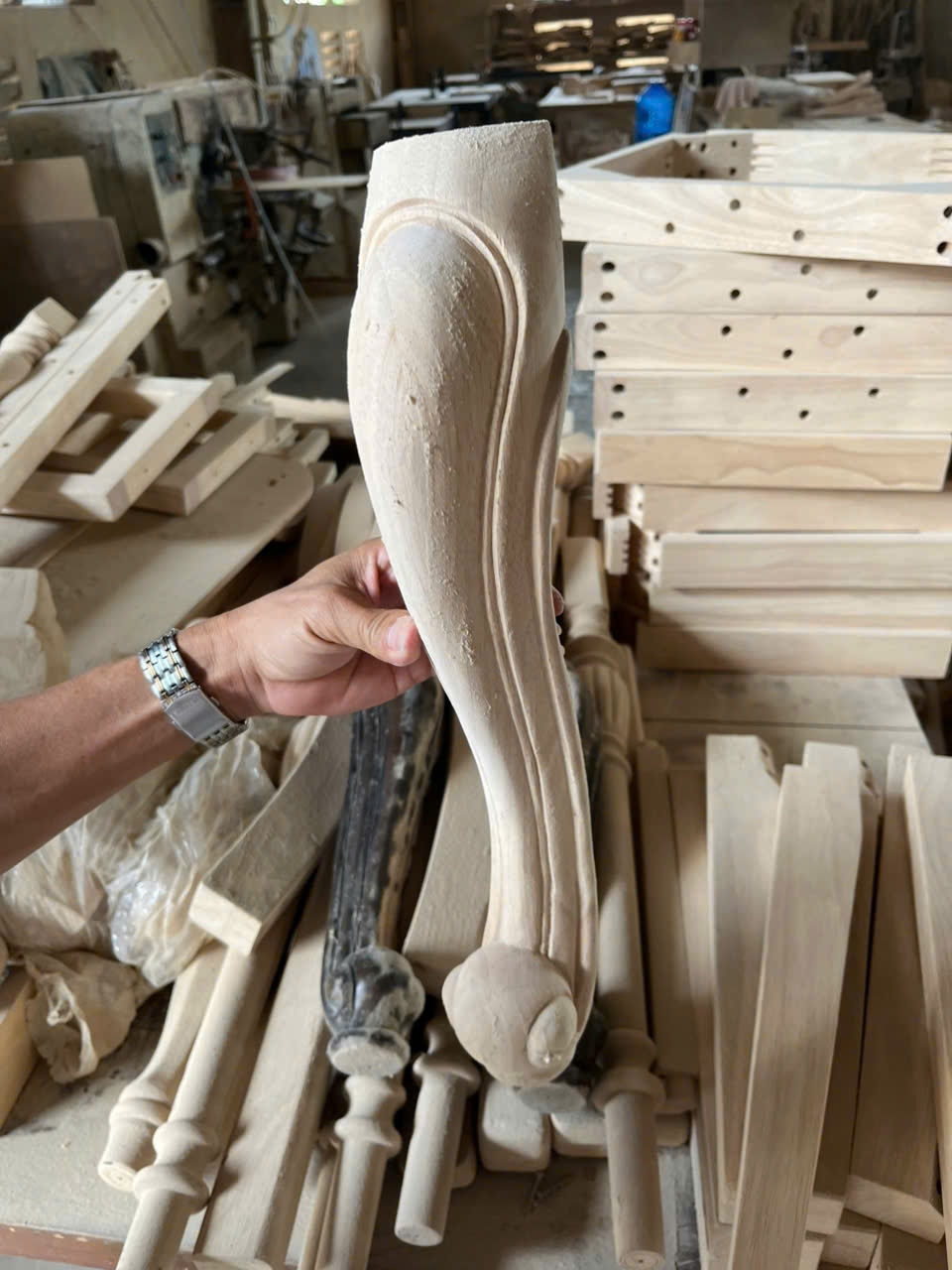
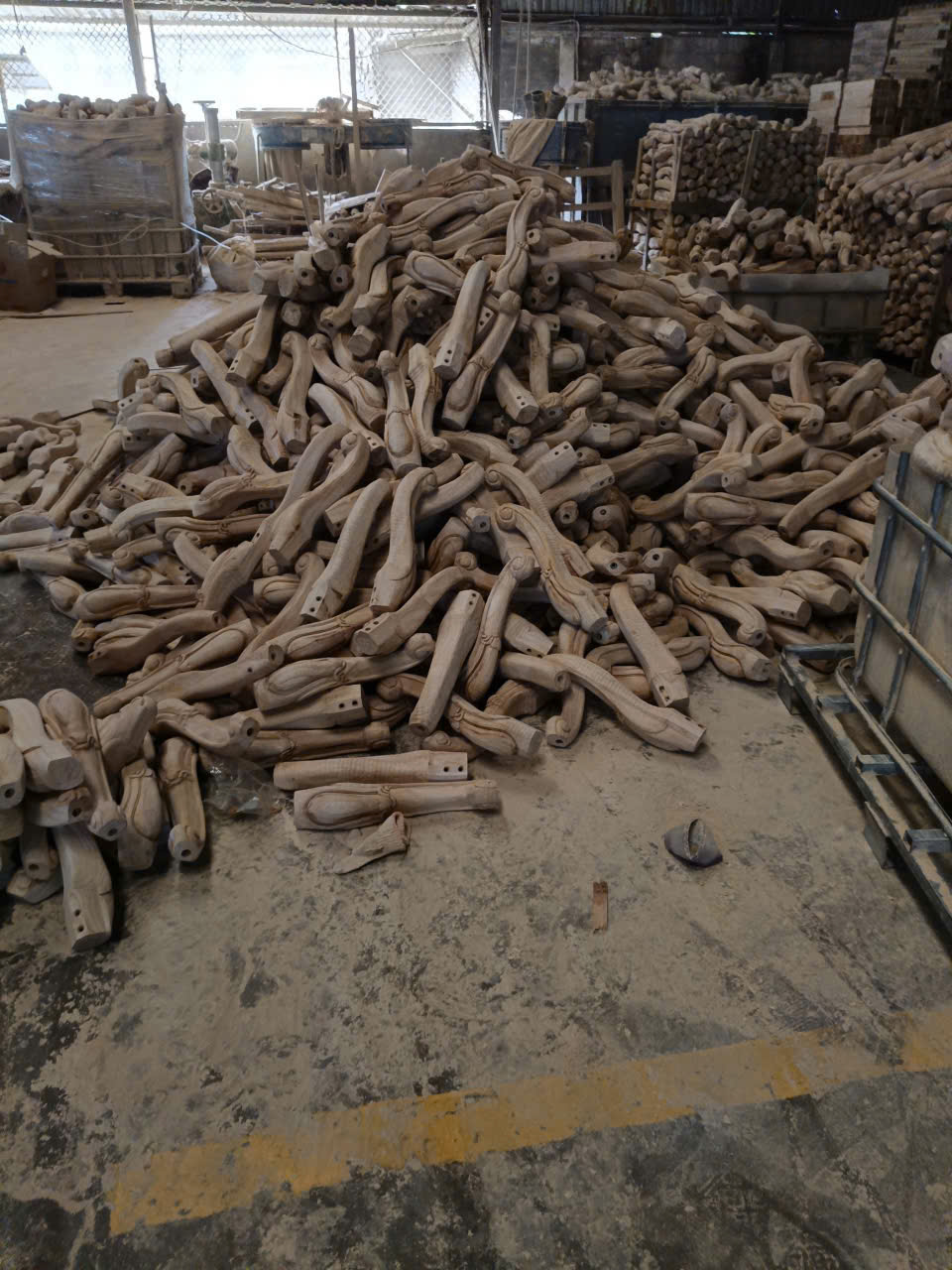
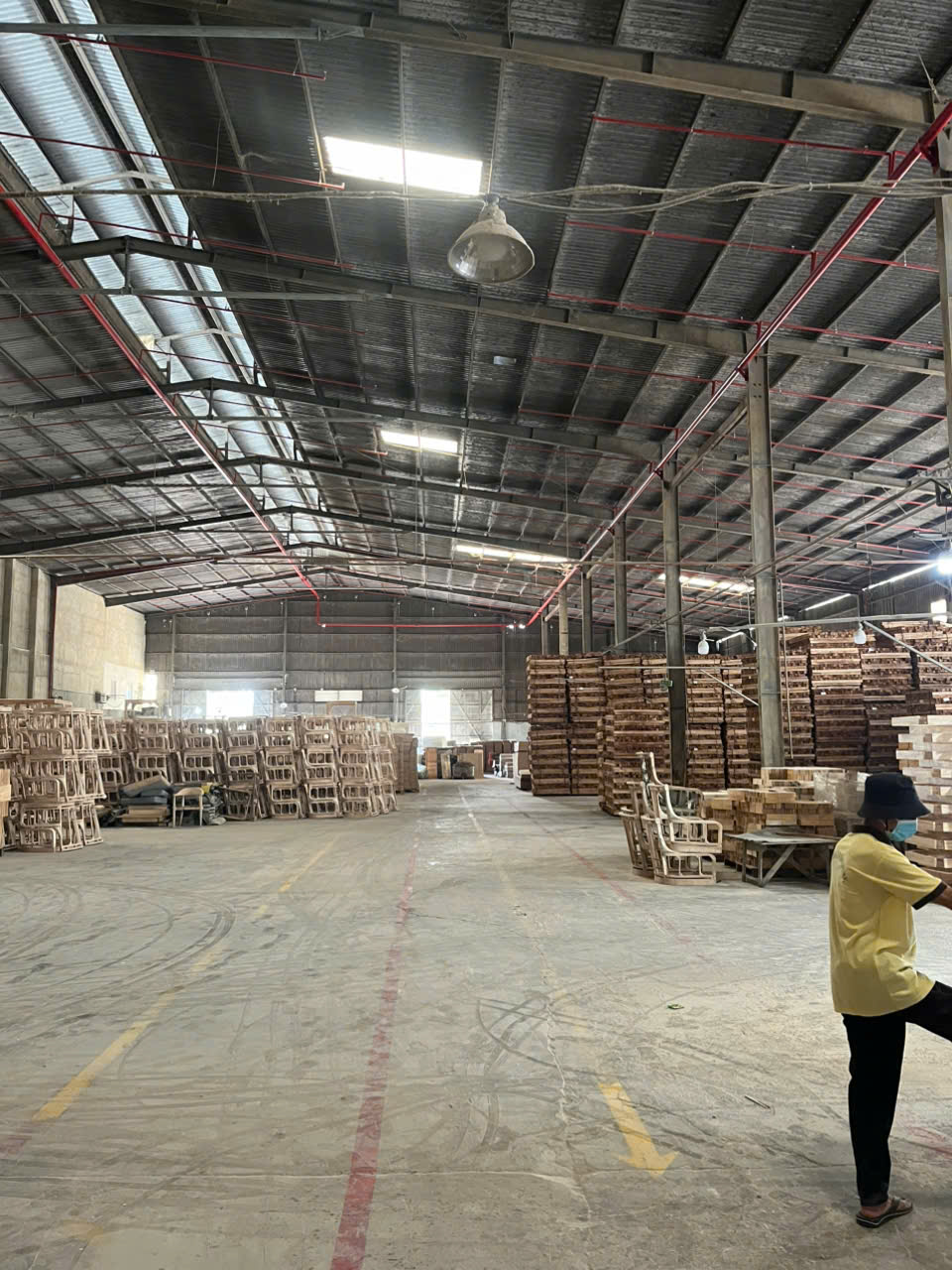
Machining service images
Images help identify the part category and surface to discuss. Drawings, material, and inspection criteria still govern a specific order.

What should you send for review?
Clear inputs make quotations and approval samples easier to compare. Mark missing items for workshop review instead of assuming them.
Profile and dimensions
Send a side profile with length, diameters at transitions and radii, or a measurable physical sample.
Timber blank
State species, blank dimensions, drying condition and material responsibility.
Sample, batch and surface
Separate prototype and production quantities; define delivery surface and mating features.
From request to delivery
1. Review sample or drawing
Review rotational geometry, transitions and missing information.
2. Agree approval sample
Agree revision, measurement points, appearance, sample cost and release conditions.
3. Turn and inspect
Machine to approved data; check length, diameters and important mating features.
4. Confirm batch and deliver
Use the approved sample for the batch and deliver to the agreed condition.
Factors that affect the quotation
Profile complexity
Transitions, grooves, beads and secondary features affect programming and machining time.
Blank and allowance
Blank size, defects, grain and allowance affect holding and material use.
Sample and quantity
Sampling and setup carry their own cost; quantity determines how it is distributed per part.
TTW can confirm price, schedule, sample fees and warranty scope only after reviewing the order data. This page is not a quotation or a technical guarantee for a specific part.
What should sample approval and inspection cover?
- Approved drawing or sample revision.
- Specified length, diameters and transition points.
- Tenon and mating-end dimensions.
- Appearance assessed within the natural characteristics of the timber.
Frequently asked questions
Is a photo enough to make a sample?
A photo helps discuss style but rarely defines proportions and mating features. Add dimensions or a measurable sample before approval.
What determines a wood-turning quote?
The main factors are profile, blank size and condition, timber species, quantity, sampling, finishing scope and inspection.