Mouldings · trims · linear profiles
What does this service do?
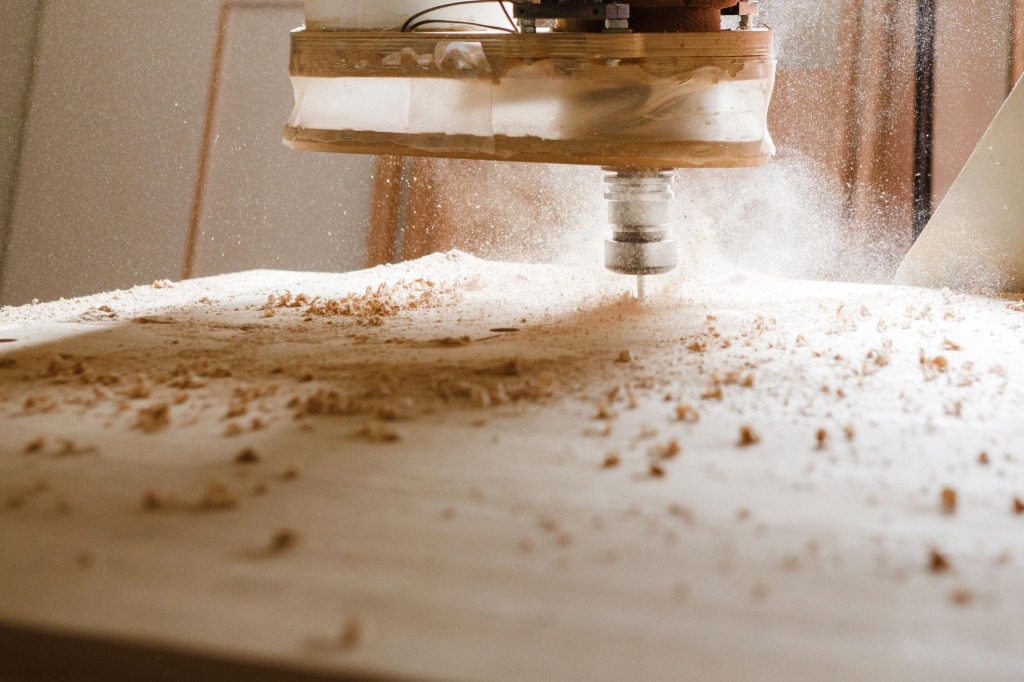
Profile milling creates a repeated cross-section along a wood strip for mouldings, trims, frames and decorative parts. The key inputs are a dimensioned section or measurable sample, timber, lengths, quantity and end-joint requirements.
When is this service suitable?
- Mouldings, trims, frames and strips with a repeated section.
- Parts joined at corners or ends from one approved section.
- Batches where section shape and length must be controlled.
Confirm these points before ordering
- Curved, twisted or variable sections are not standard linear profiling.
- Movement in long strips depends on blank condition, grain and environment.
- A tight corner joint depends on section, end cutting and assembly conditions.
Profile milling, moulding, grooving, edge rounding and wood trim
These queries describe creating or finishing a section profile, so one core page serves them until SERPs show distinct intent.
Wood profile milling
Creates a section from a measurable drawing or sample with an agreed datum face.
Wood moulding
Creates a repeated decorative line; small radii and recesses affect tooling.
Wood grooving
Define groove position, width, depth and relation to the datum.
Wood edge rounding
Specify edge radius and transitions; the result also depends on grain and blank condition.
Wood trim milling
Lengths, end allowance and corner-joint requirements should accompany the section sample.
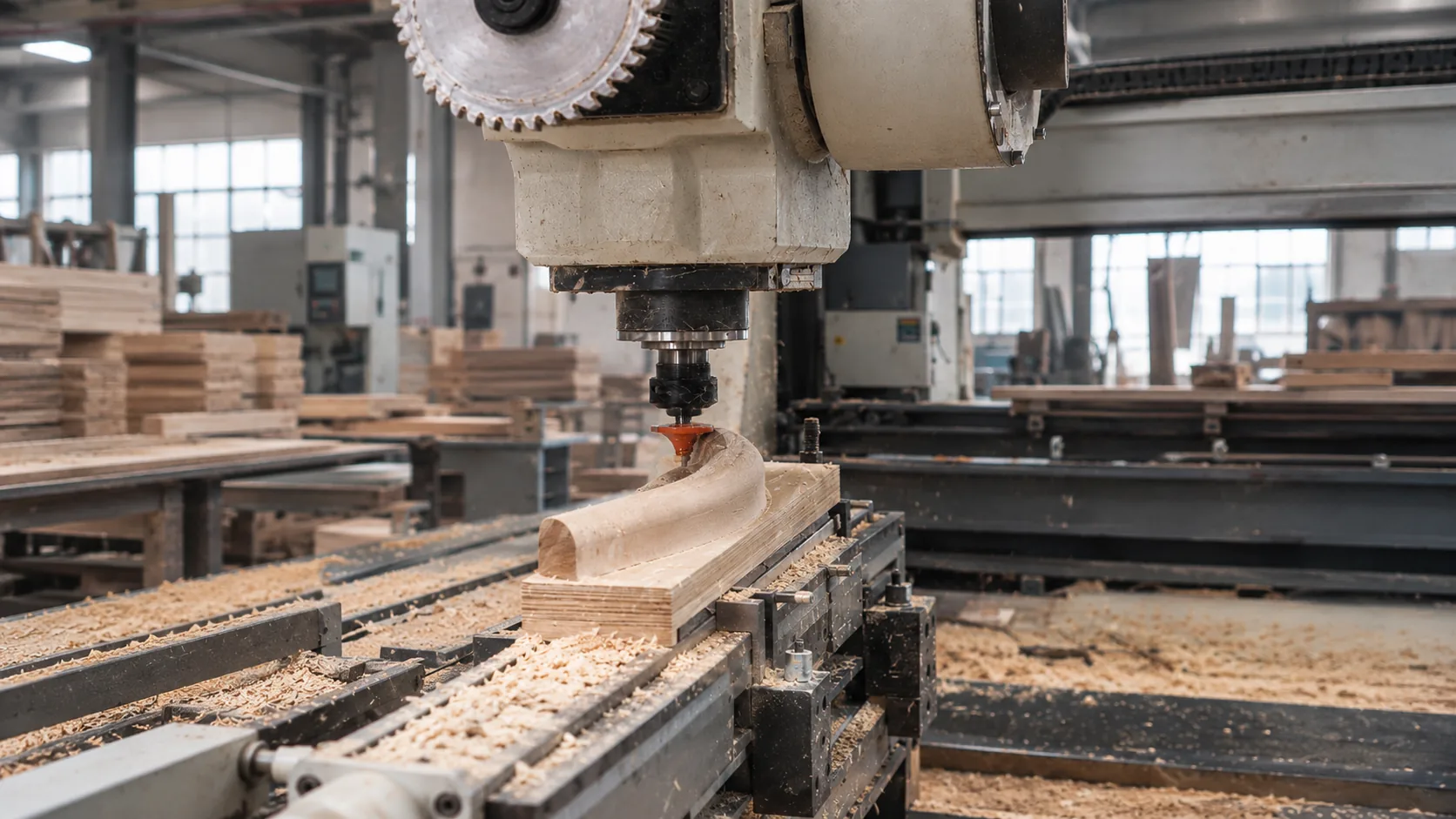
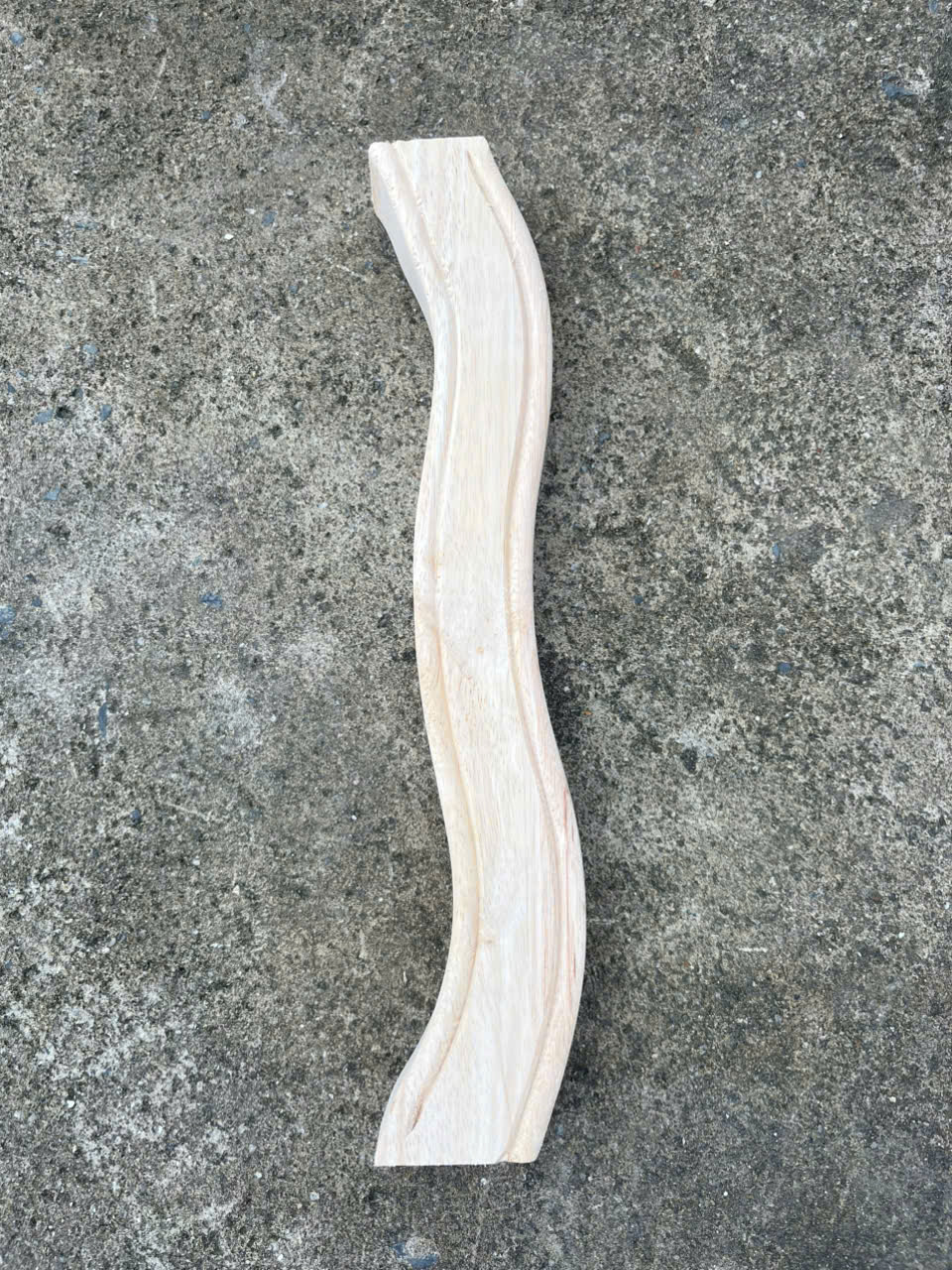
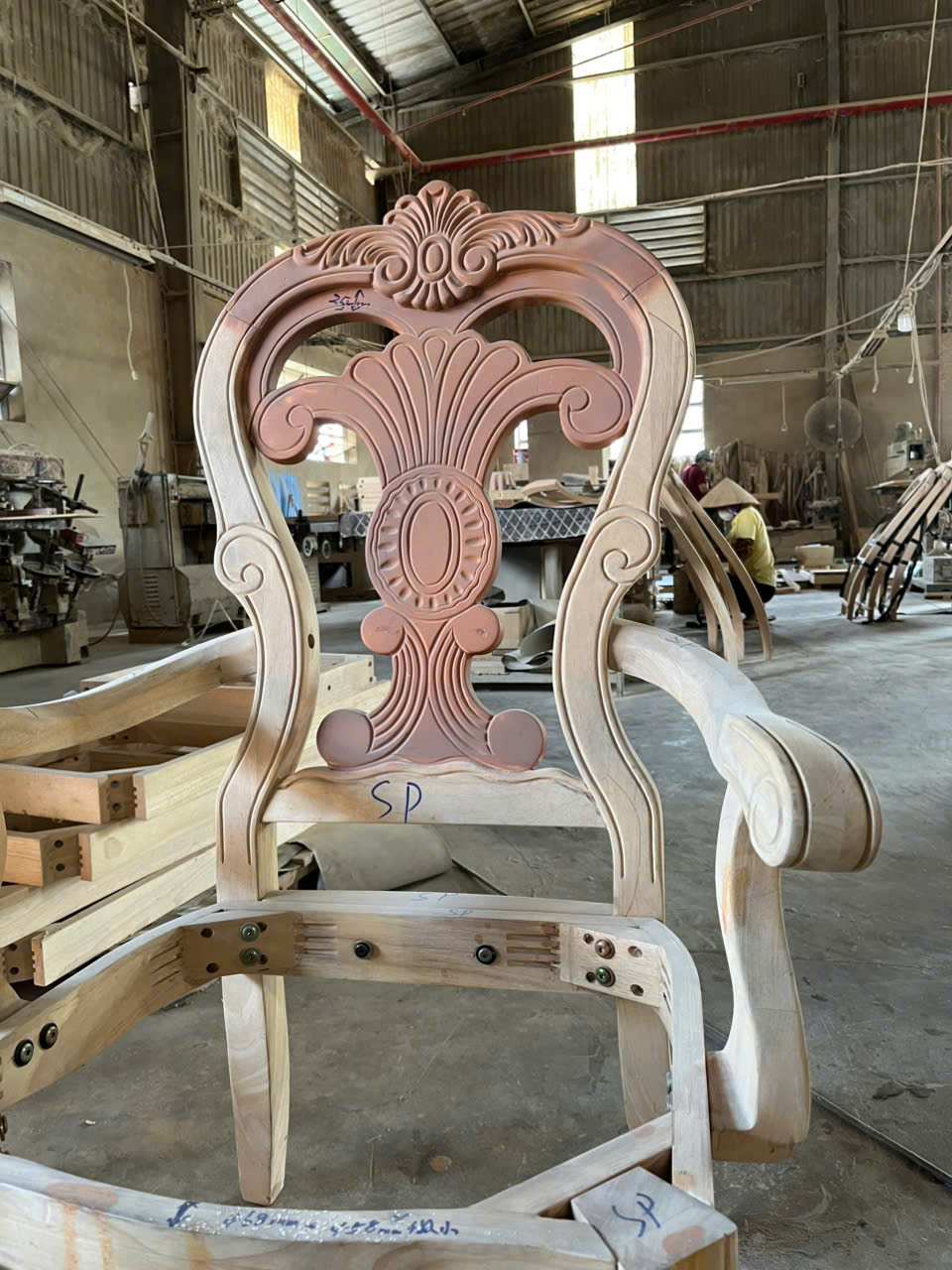
Machining service images
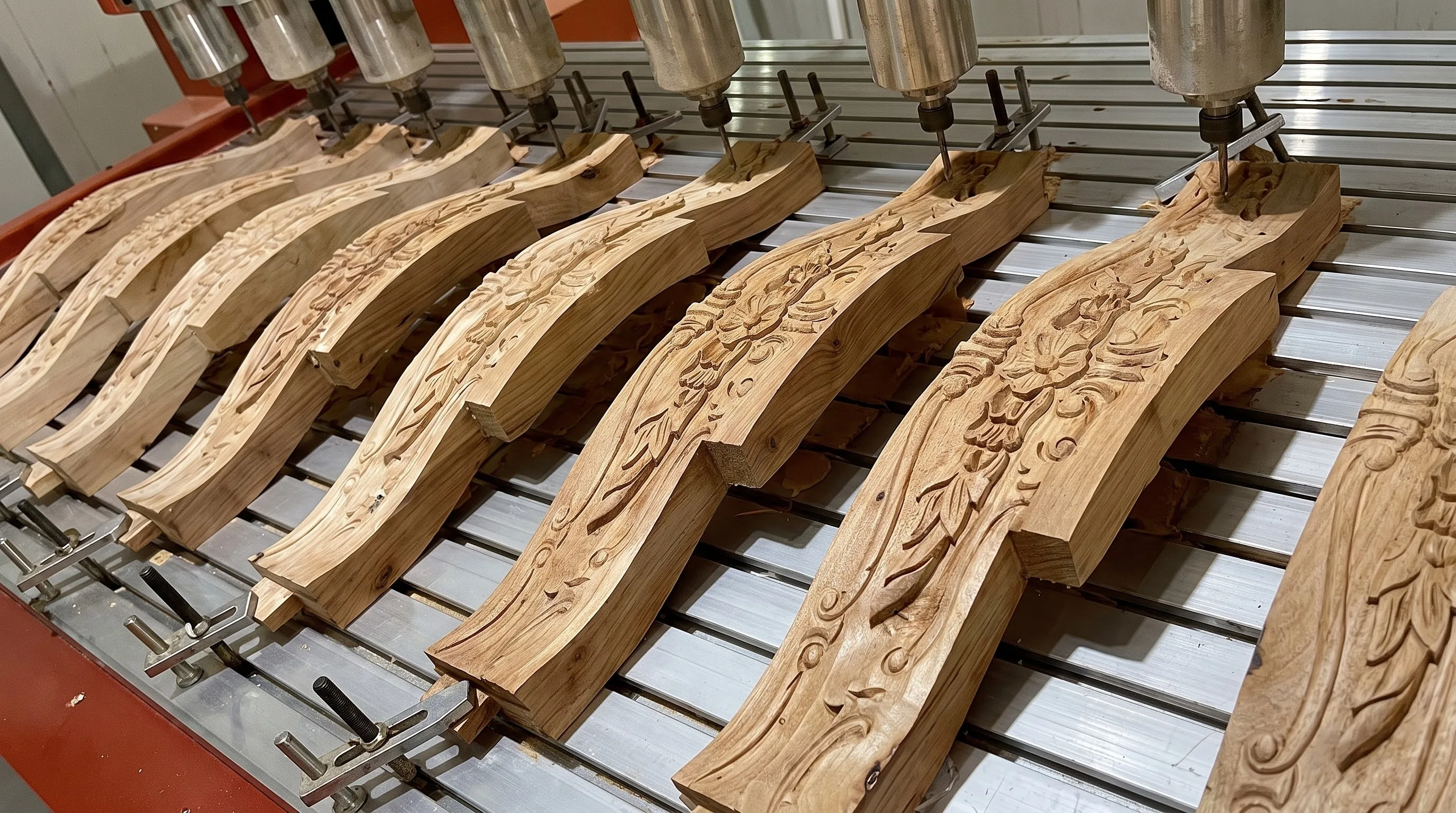
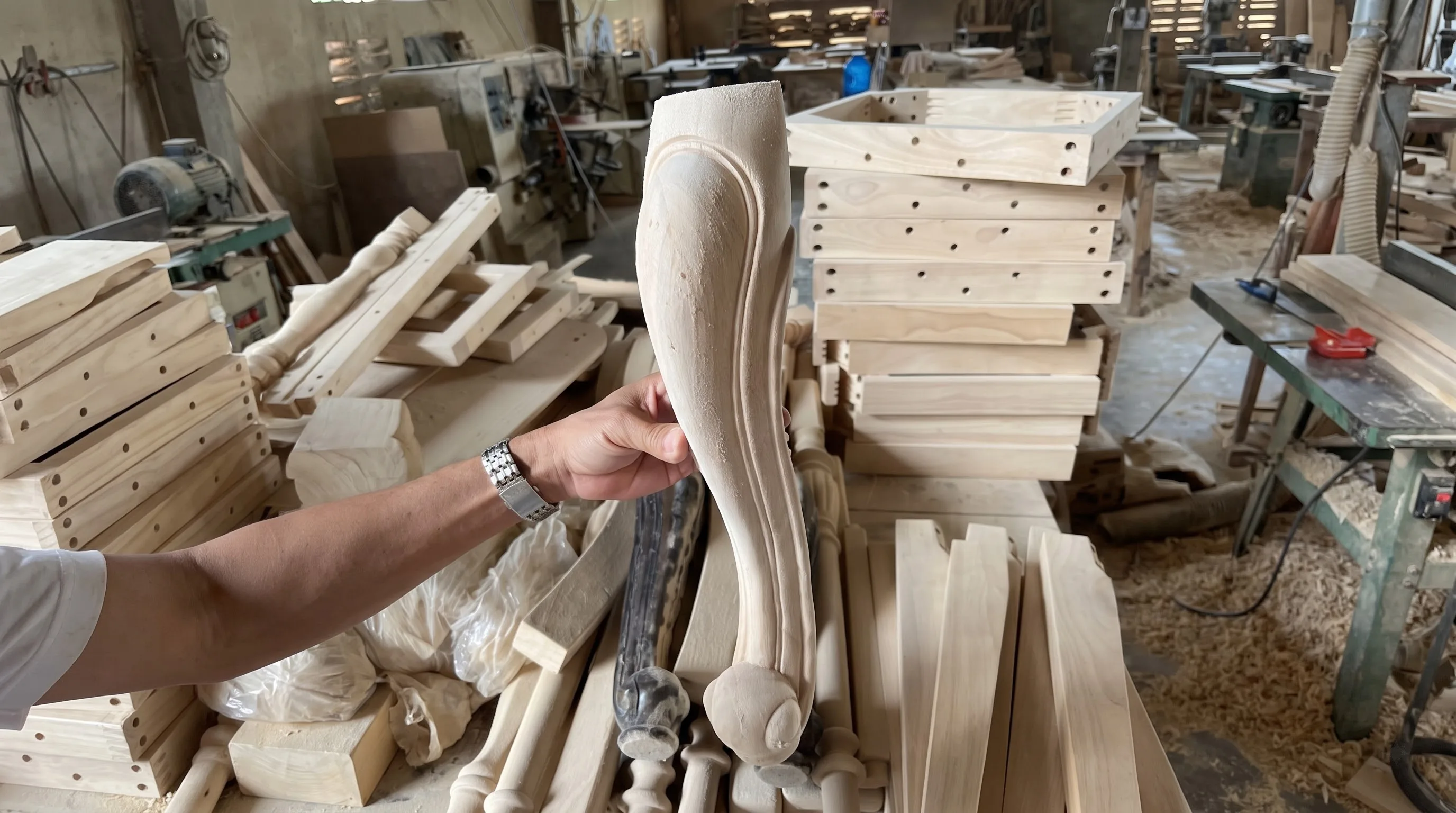
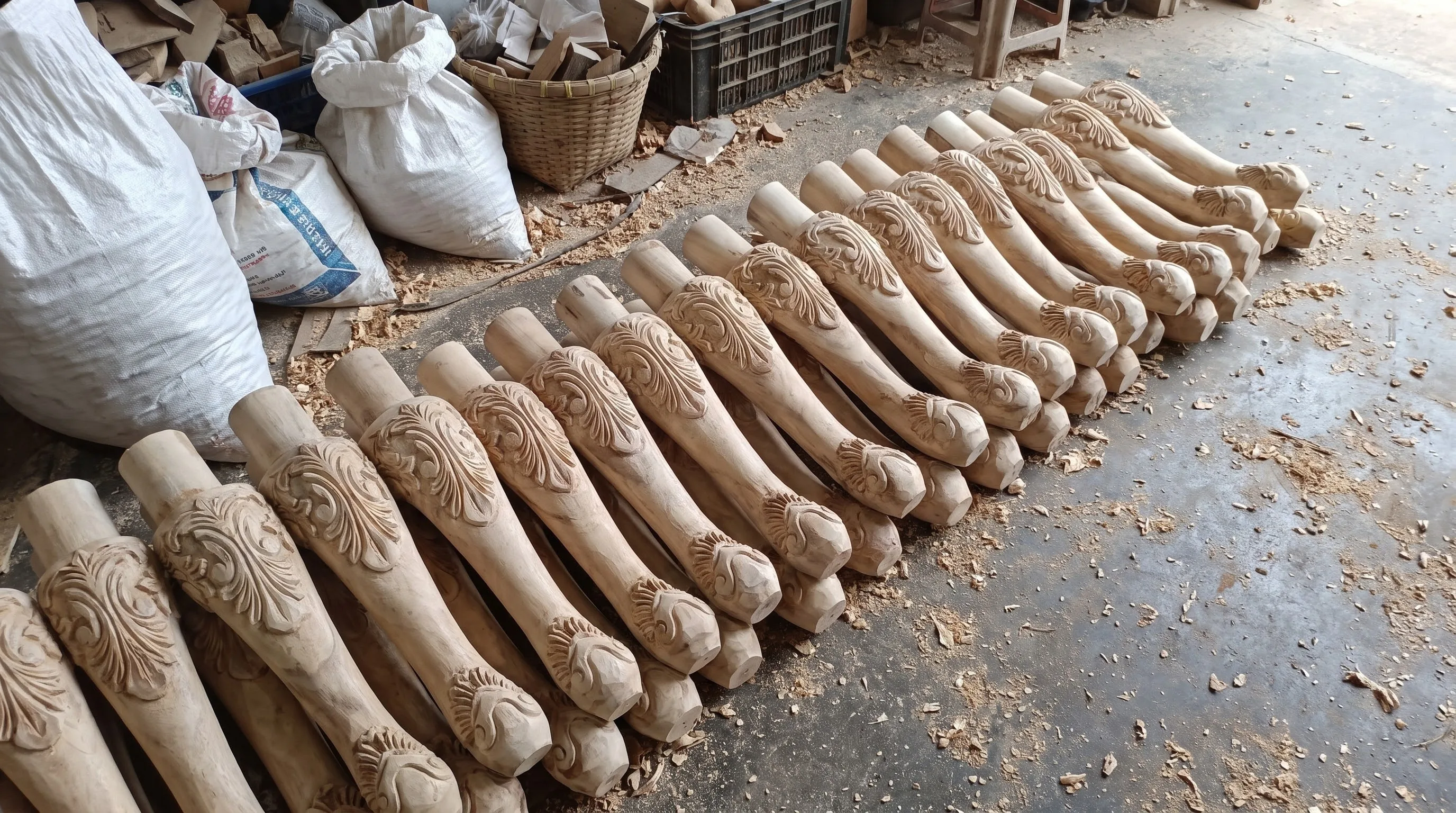
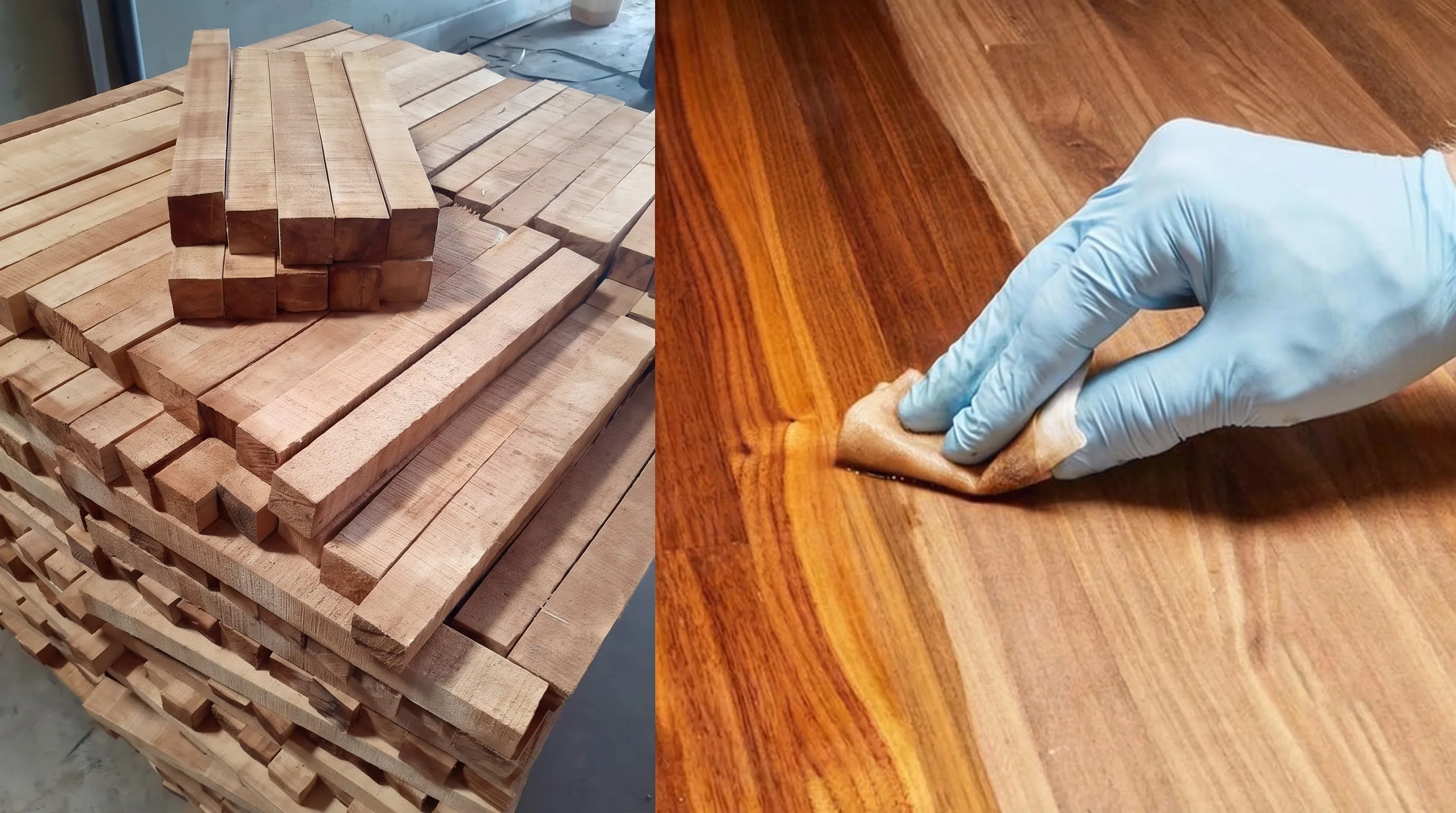
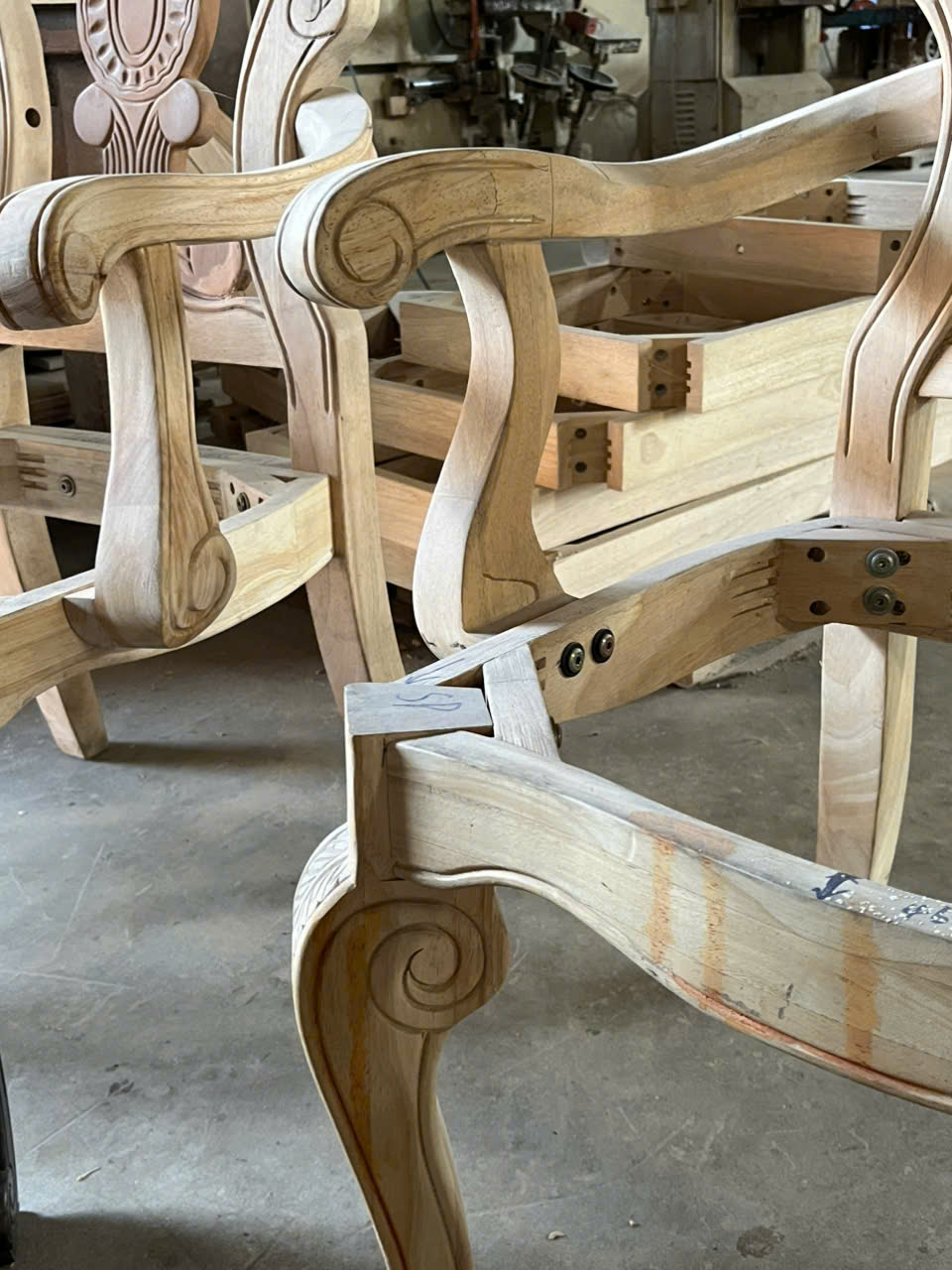
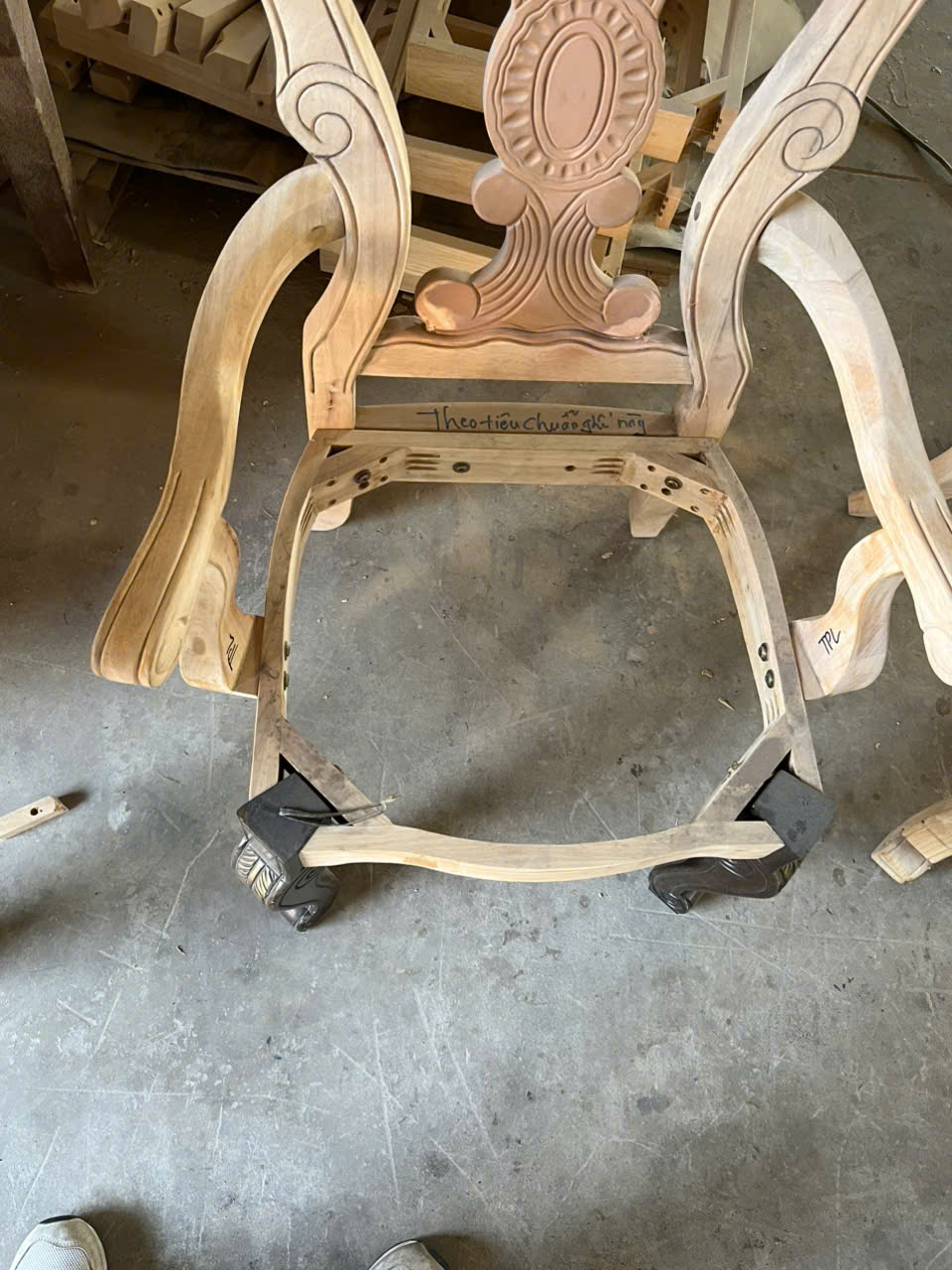
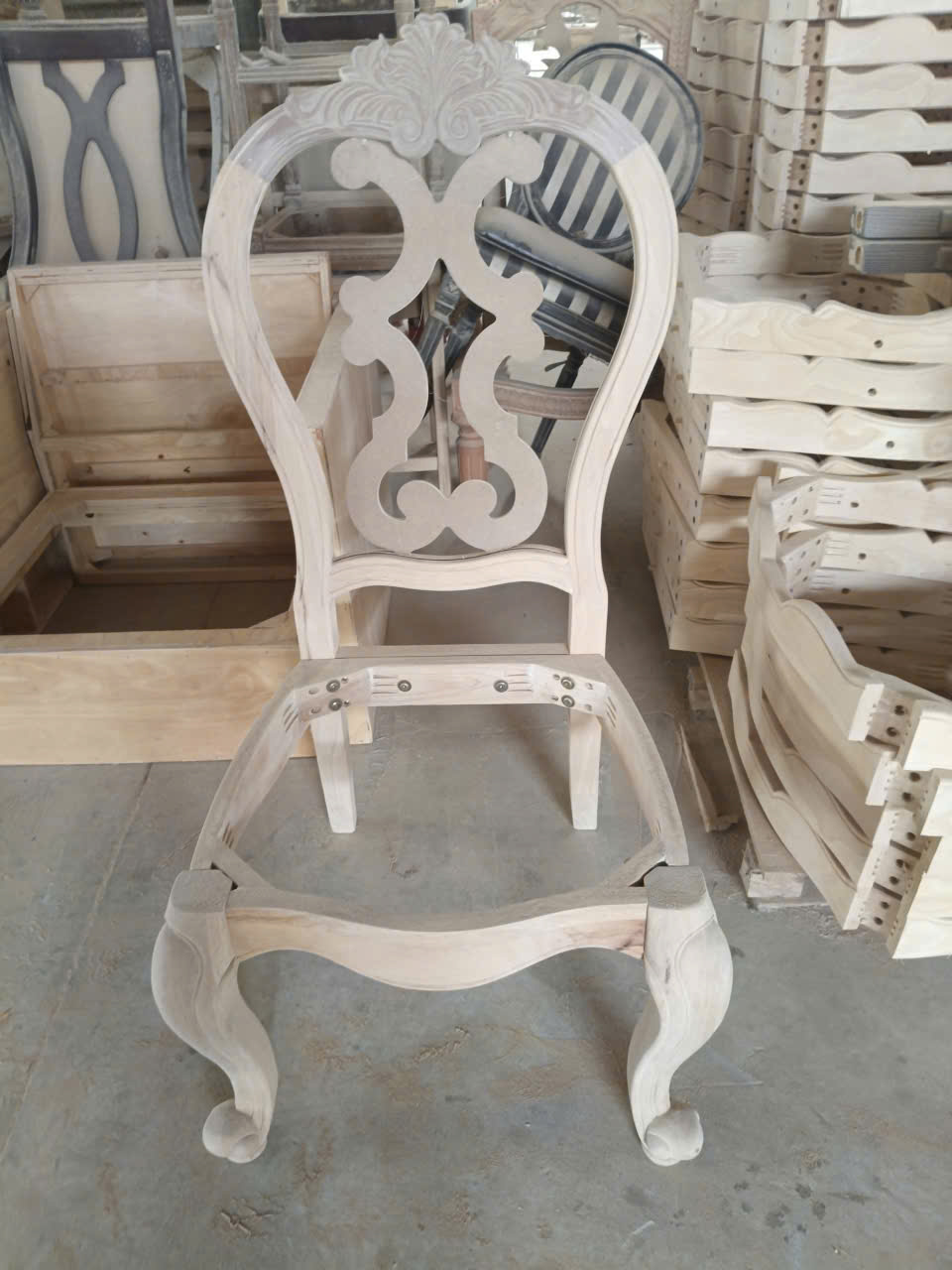
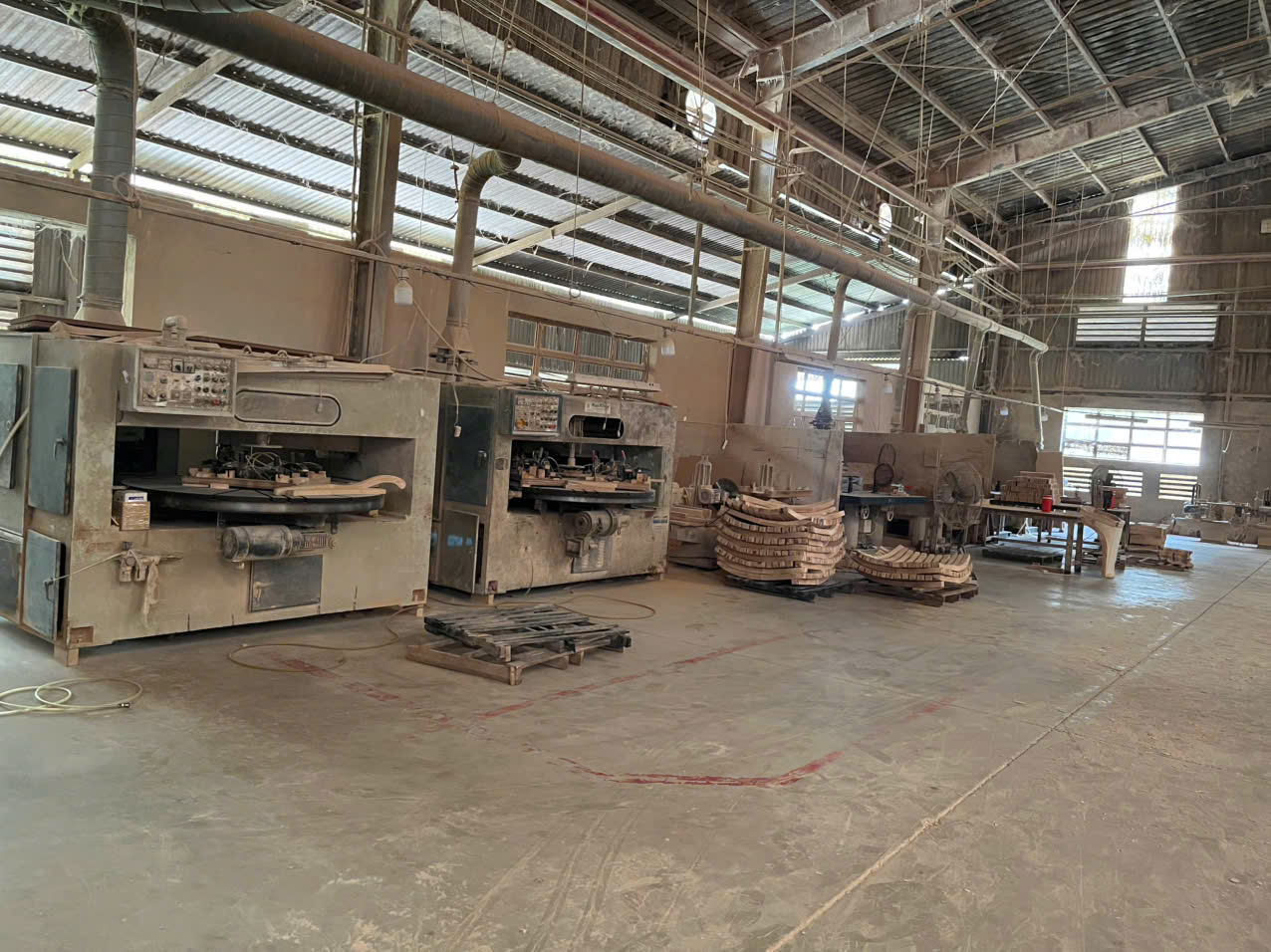
Images help identify the part category and surface to discuss. Drawings, material, and inspection criteria still govern a specific order.
What should you send for review?
Clear inputs make quotations and approval samples easier to compare. Mark missing items for workshop review instead of assuming them.
Section or sample
Send a 1:1 dimensioned section or a straight intact sample that can be measured.
Cut list
List lengths, quantity per size, end allowance and corner or splice requirements.
Blank and surface
Describe timber, blank dimensions, straightness and required delivery surface.
From request to delivery
1. Define the section
Compare sample and drawing, defining datum faces and controlled dimensions.
2. Check a trial profile
Approve the section, joint behavior and surface on the intended material.
3. Produce to cut list
Produce agreed sizes while controlling length groups and sample revision.
4. Inspect and bundle
Check section, length and appearance; bundle for the agreed transport method.
Factors that affect the quotation
Section complexity
Grooves, small radii and controlled surfaces affect tooling and passes.
Blank specification
Size, straightness, timber and allowance determine preparation.
Lengths and quantity
Mixed lengths change cutting, sorting and packaging work.
TTW can confirm price, schedule, sample fees and warranty scope only after reviewing the order data. This page is not a quotation or a technical guarantee for a specific part.
What should sample approval and inspection cover?
- Section compared with approved gauge or drawing.
- Length and end allowance match the cut list.
- Straightness and defects within agreed limits.
- Representative fit check where the product depends on joints.
Frequently asked questions
Can you reproduce an old moulding sample?
It can be evaluated if the section remains measurable. Worn, bent or incomplete samples require an agreed reconstruction before tooling and sampling.
Why check the joint before a production batch?
A joint depends on section, end cutting and assembly conditions. A fit check finds differences before they are repeated.