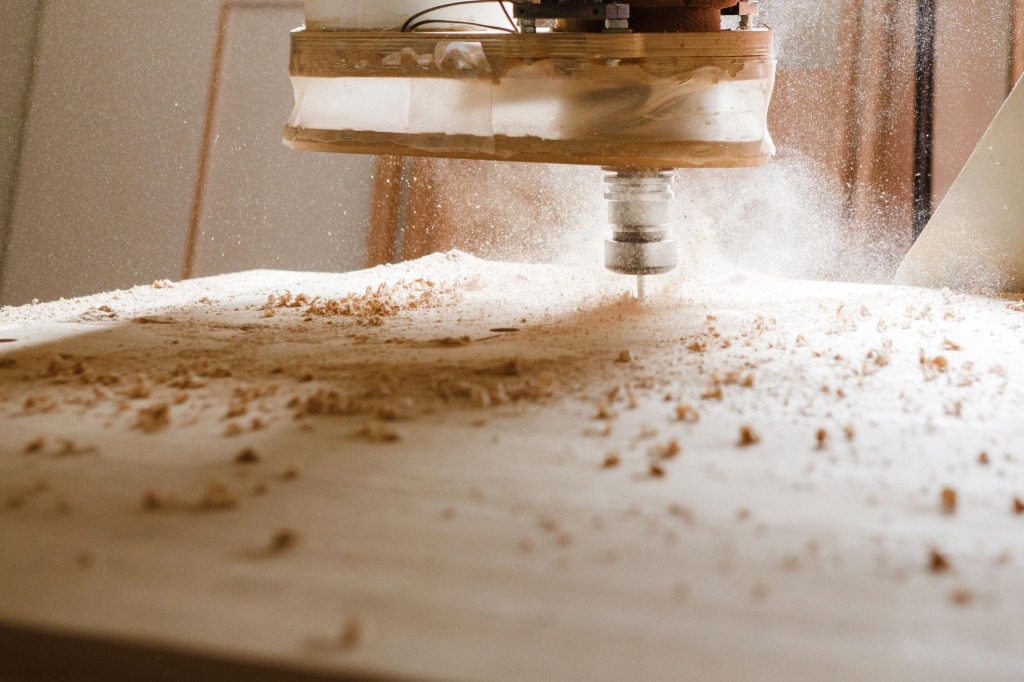
Reliefs · ornaments · 3D details
What does this service do?
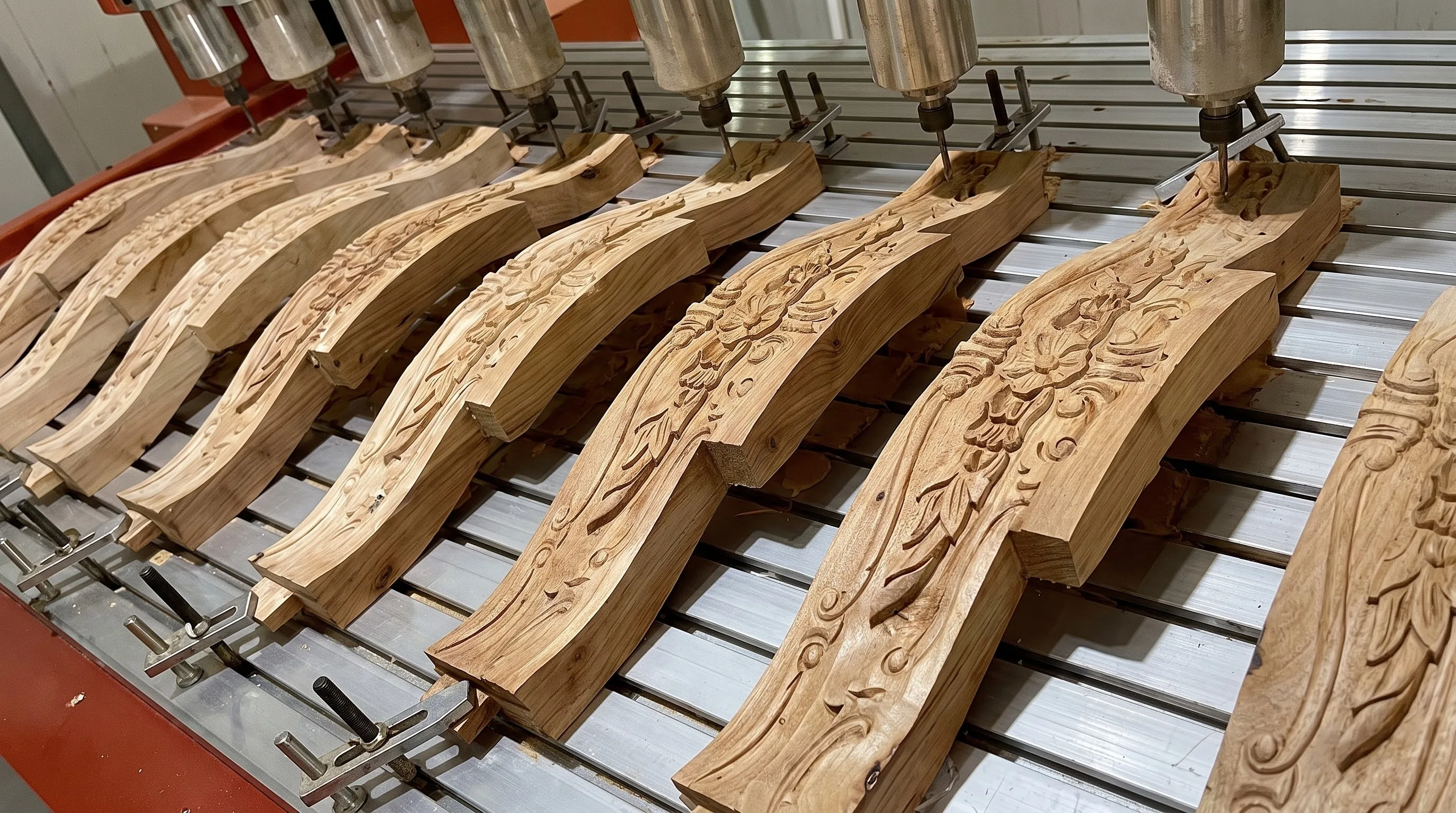
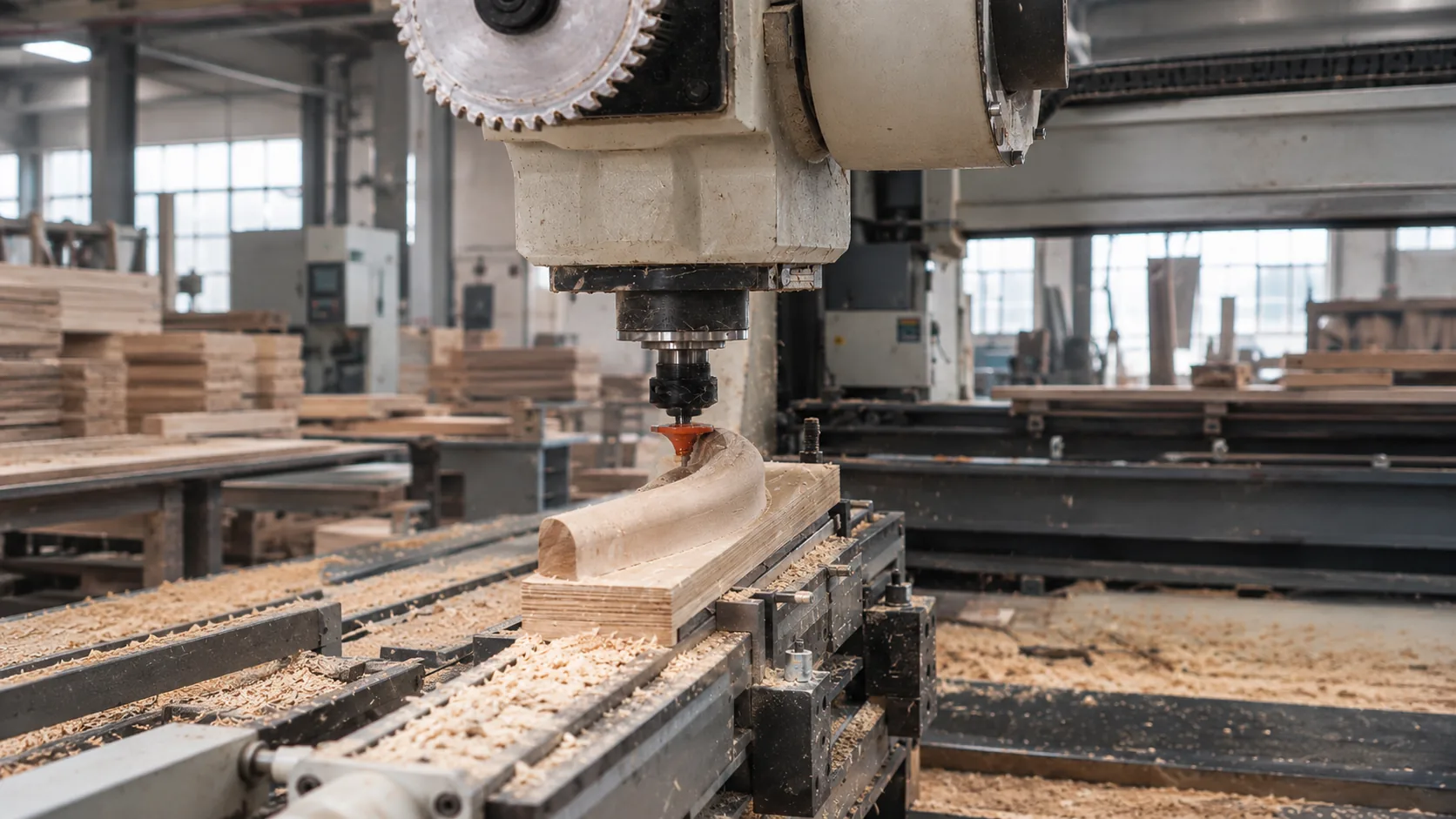
3D CNC wood carving uses a digital model and toolpaths to create reliefs, ornaments and variable-depth surfaces. Results depend on model quality, minimum feature size, depth, timber, grain direction, tooling and the required post-machine finish.
When is this service suitable?
- Reliefs, decorative motifs, chair backs and doors with a clear model or sample.
- Patterns repeated across equal-size parts.
- Projects that can approve depth, detail and required hand finishing.
Confirm these points before ordering
- A low-resolution 2D image is not a machining-ready 3D model.
- Features smaller than available tooling may need simplification or secondary work.
- Wood has grain; small edges and reversing grain should be judged on a sample.
CNC wood reliefs and decorative patterns
Reliefs and patterns share the same core inputs: source model, depth, minimum detail, material and post-machine finish.
Relief carving
Agree overall dimensions, raised and recessed zones, depth and important viewing angles.
Decorative patterns
Minimum feature size must suit the material, tooling and sharpness approved on a sample.
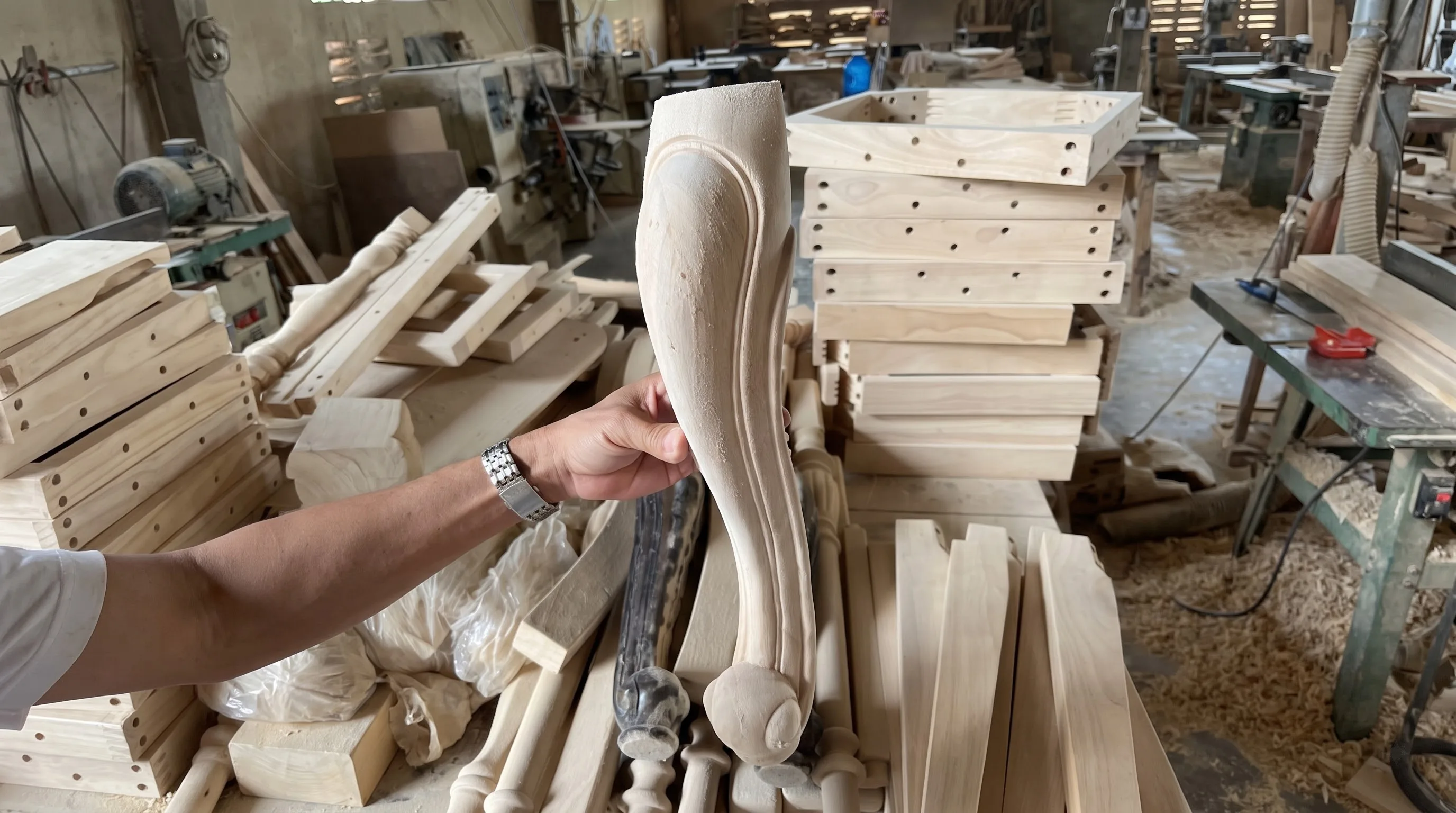
Post-CNC finishing
The quotation should state whether delivery is as-machined or includes sanding, hand work or further finishing.
Custom 3D CNC carving
A reference image can start the discussion, but toolpaths require clear geometry and an approved revision.
Source data
Send files, drawings or images and identify what the workshop must reconstruct.
Trial sample
Use a sample to approve proportion, depth, detail and tool marks on the intended material.
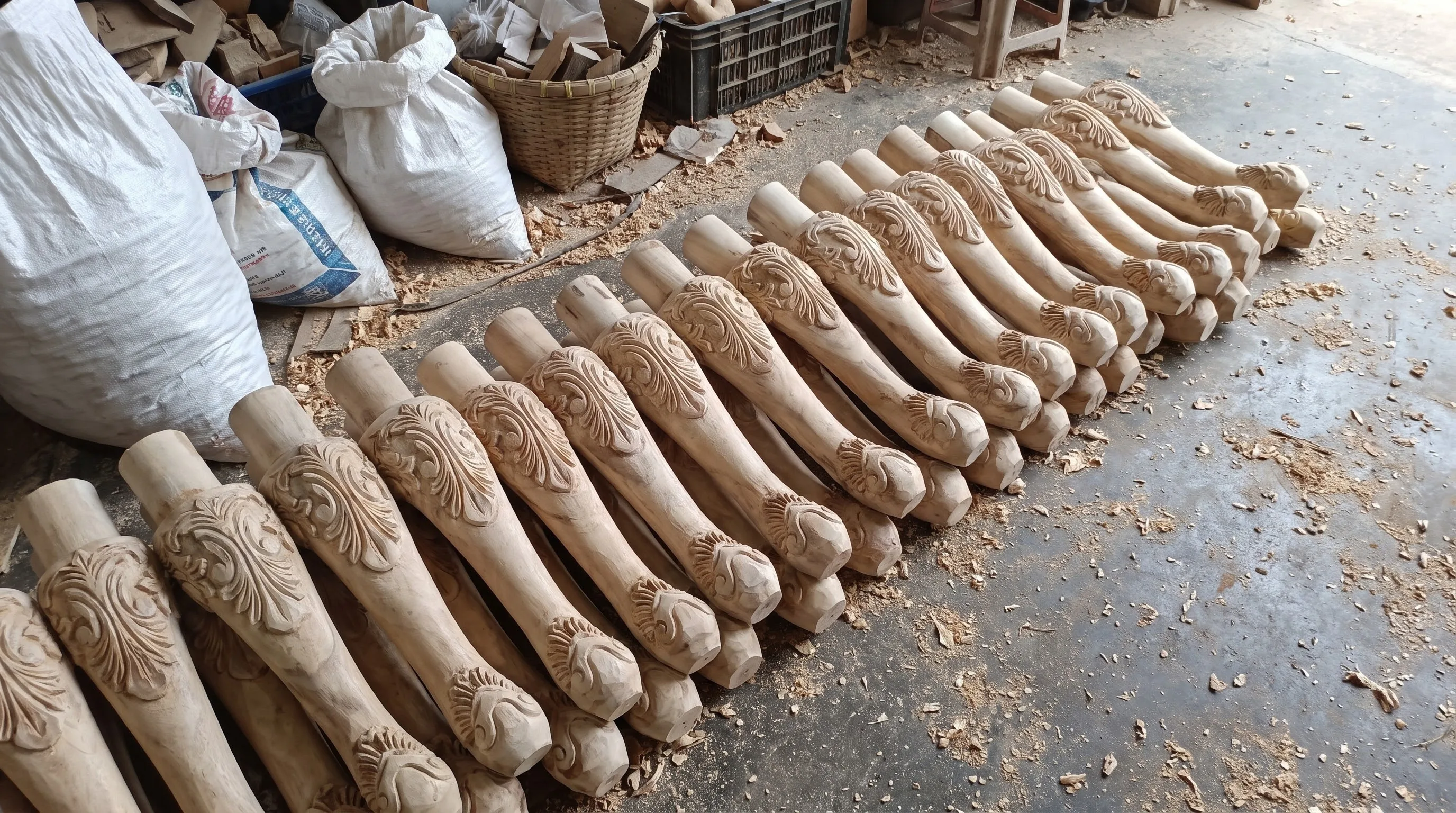
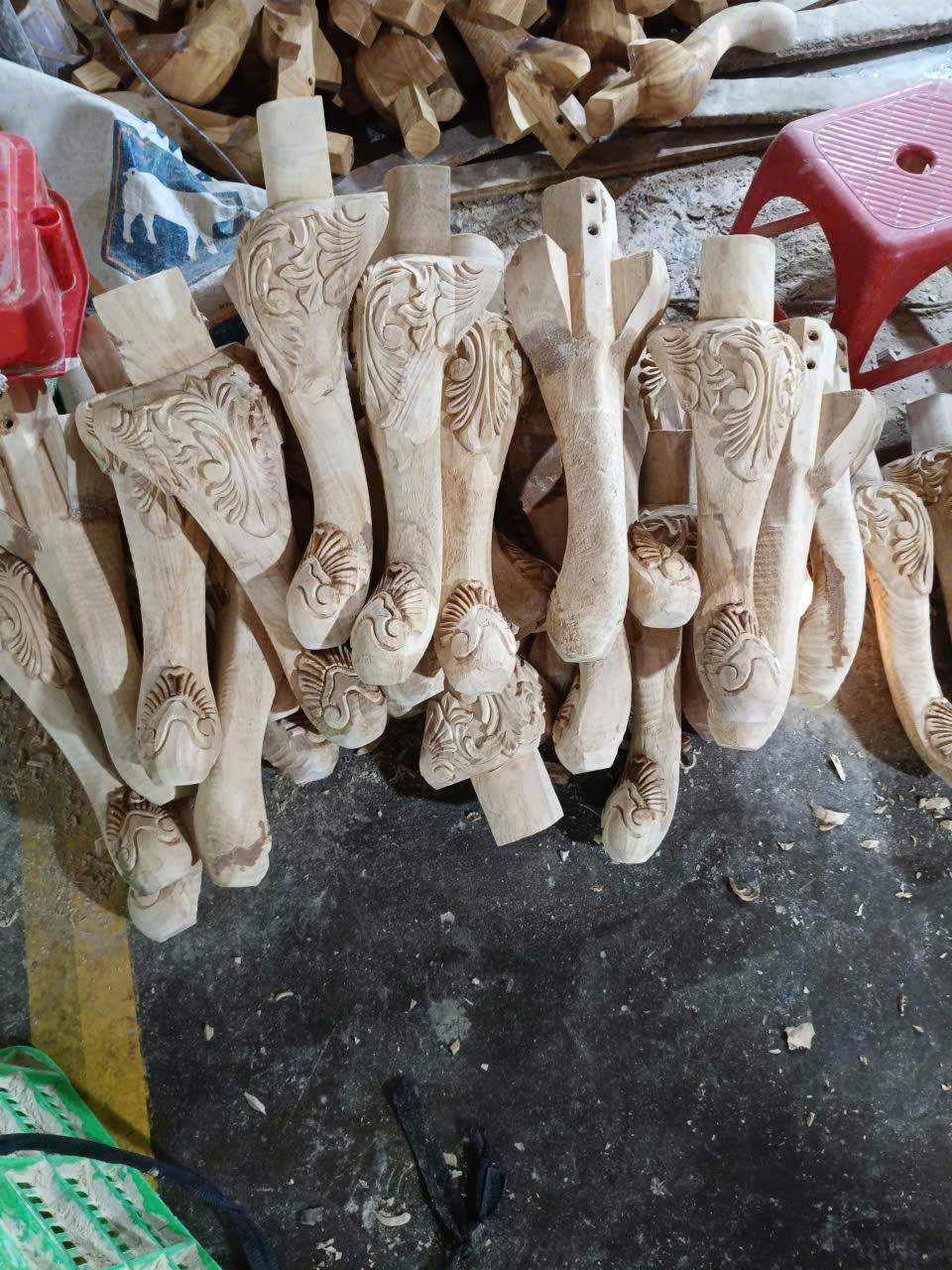
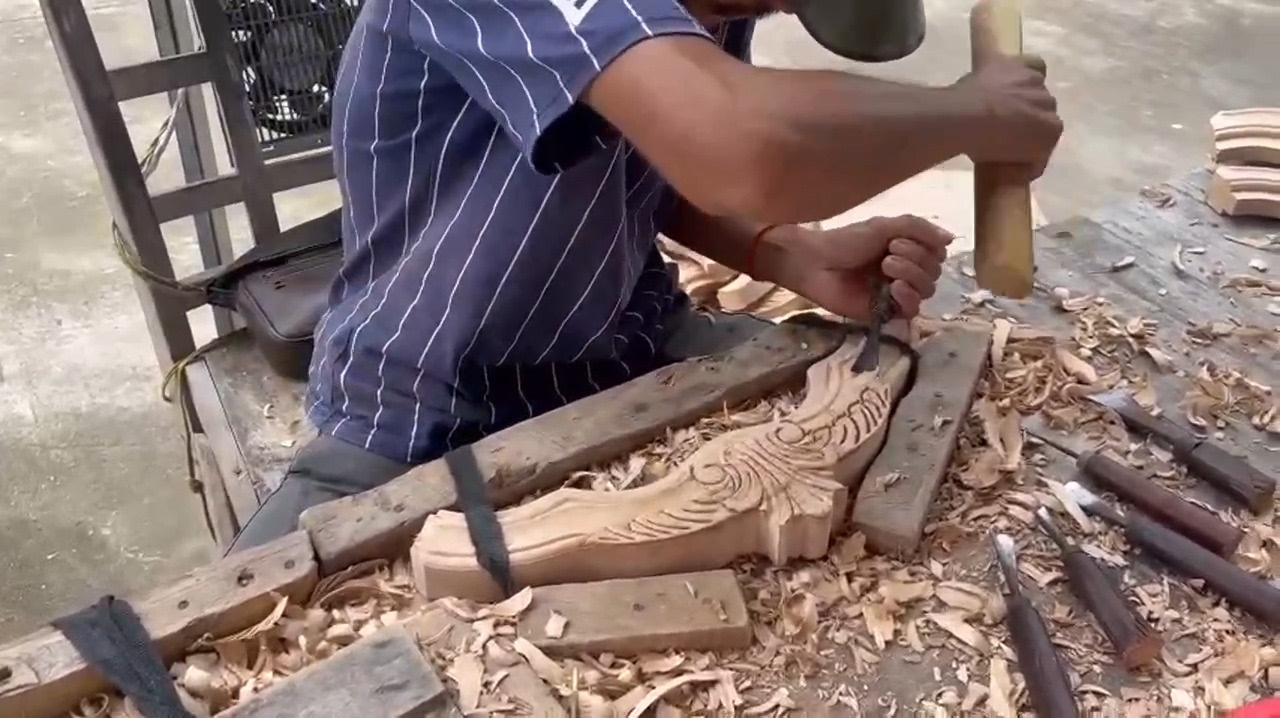
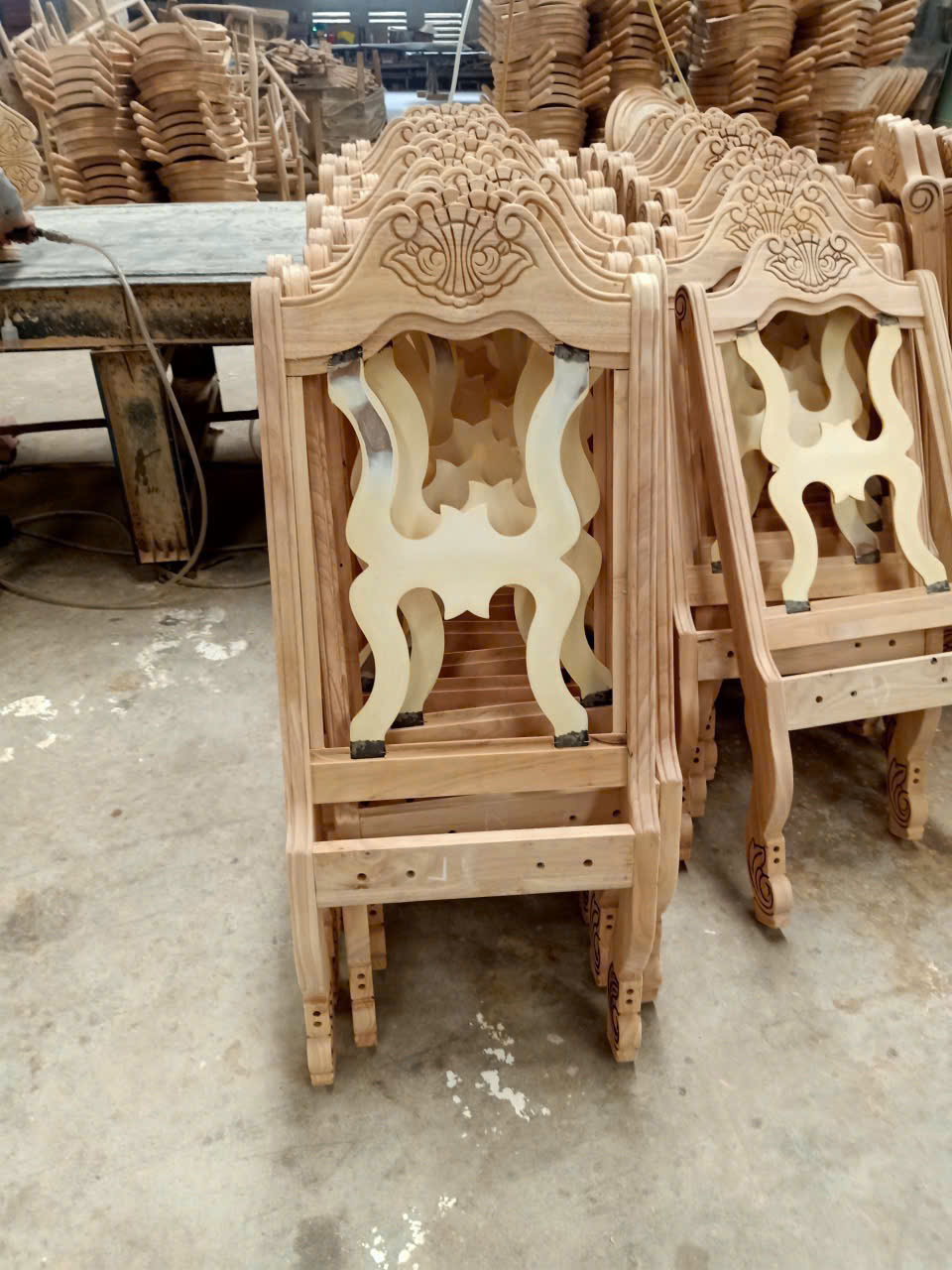
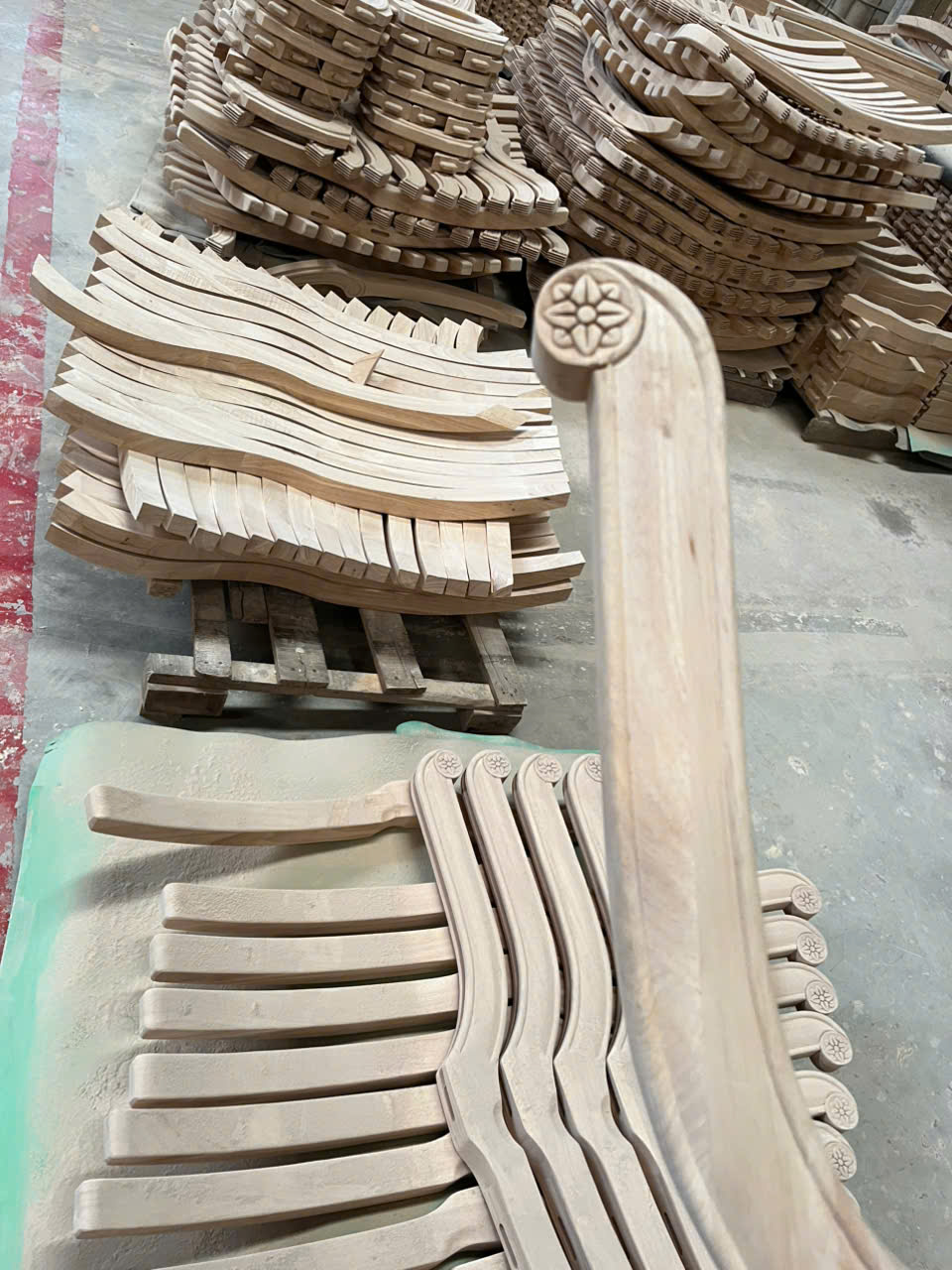
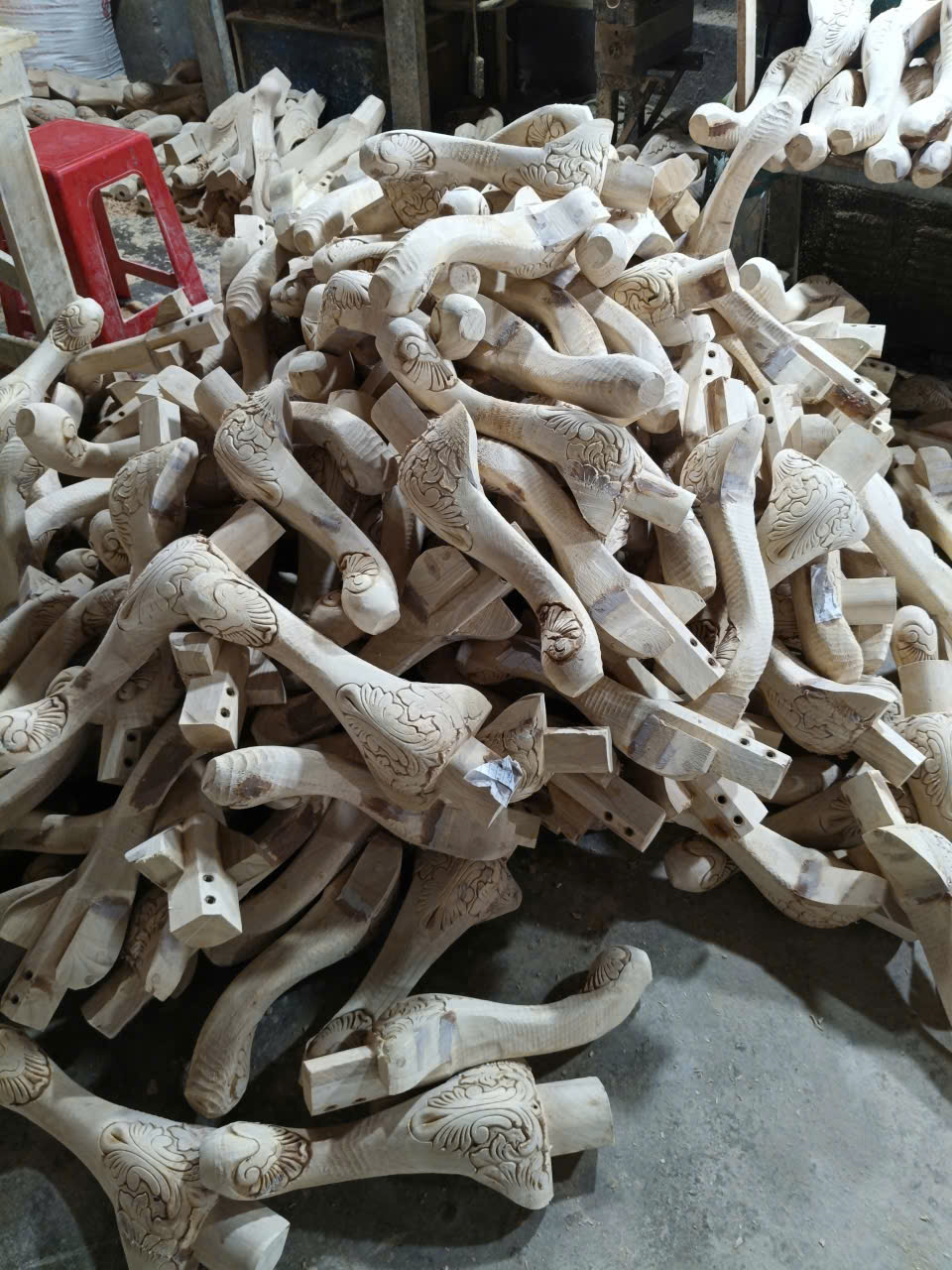
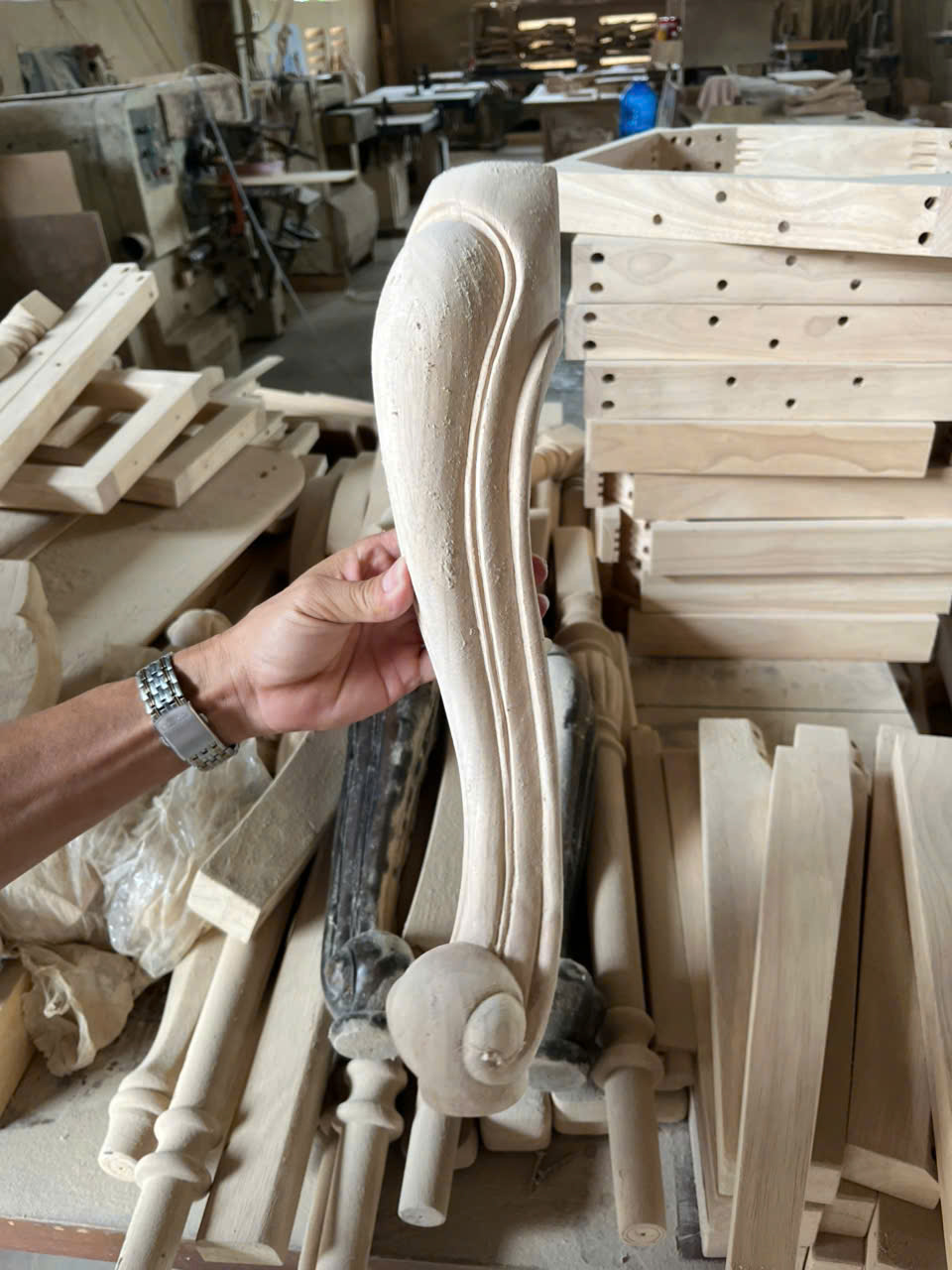
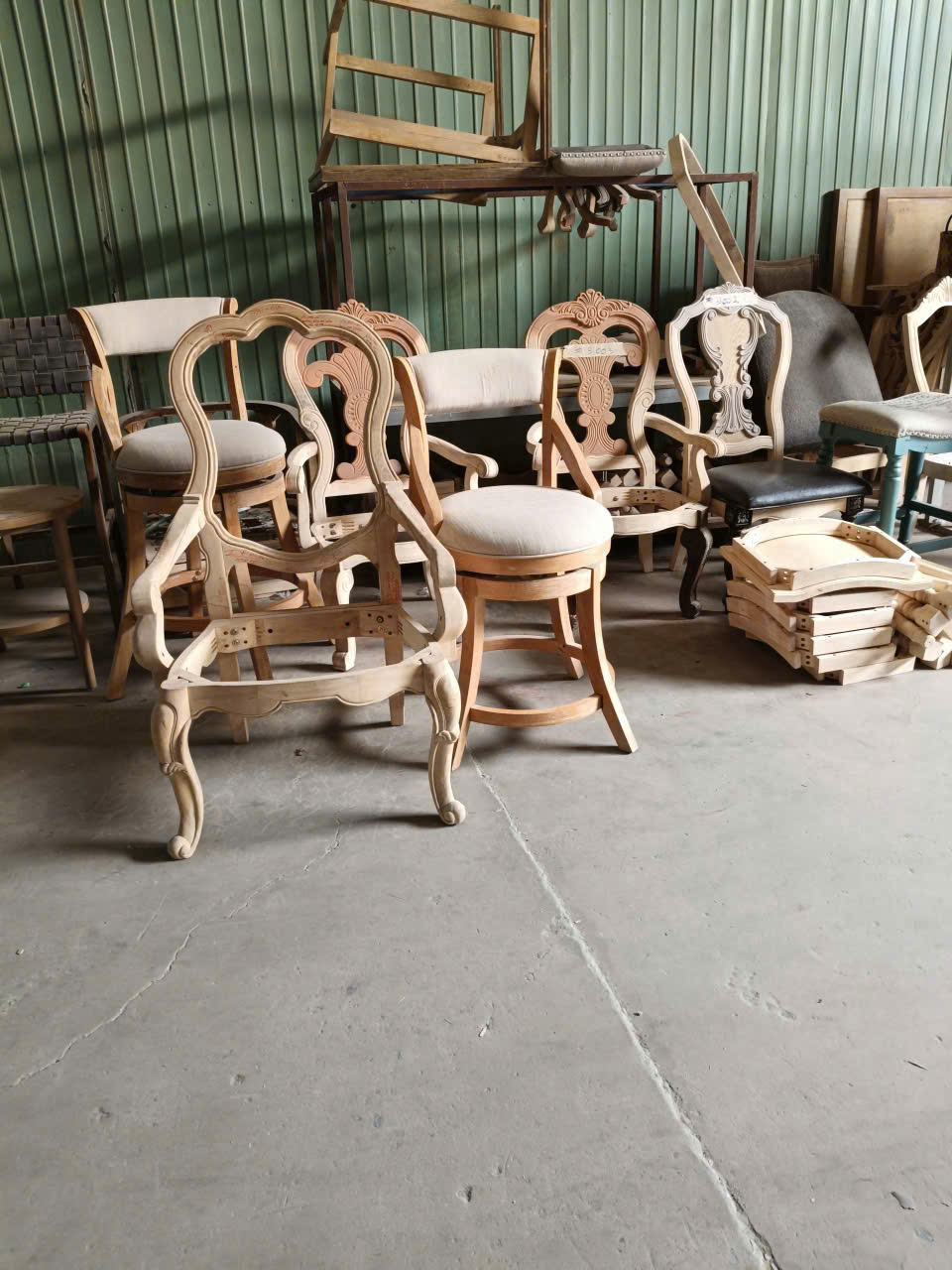
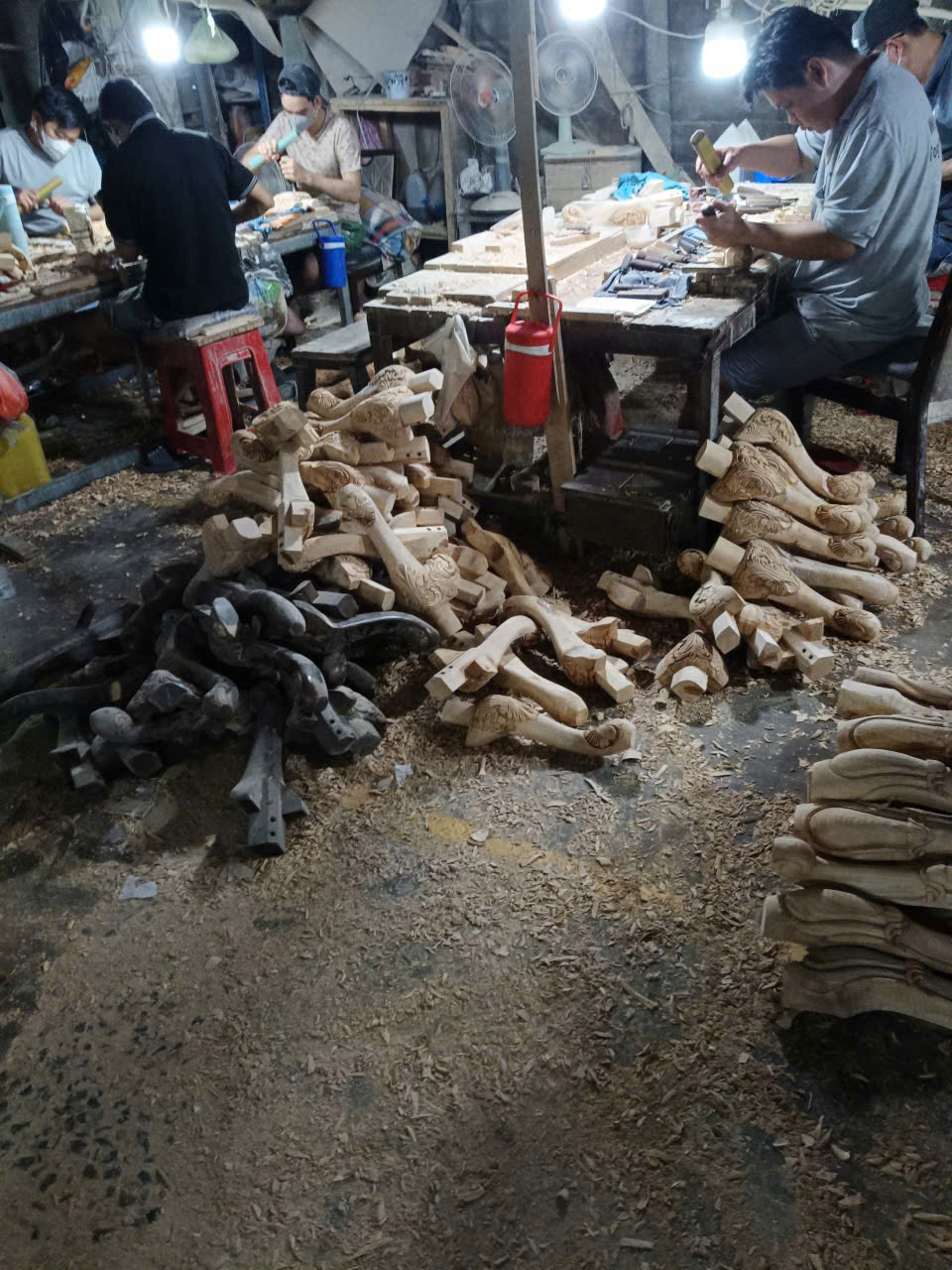
Machining service images
Images help identify the part category and surface to discuss. Drawings, material, and inspection criteria still govern a specific order.
What should you send for review?
Clear inputs make quotations and approval samples easier to compare. Mark missing items for workshop review instead of assuming them.
File and usage rights
Send available 3D/2D files, finished dimensions and confirmation that the design may be used.
Depth and priority areas
Mark total depth, critical details, areas that may be softened and holding surfaces.
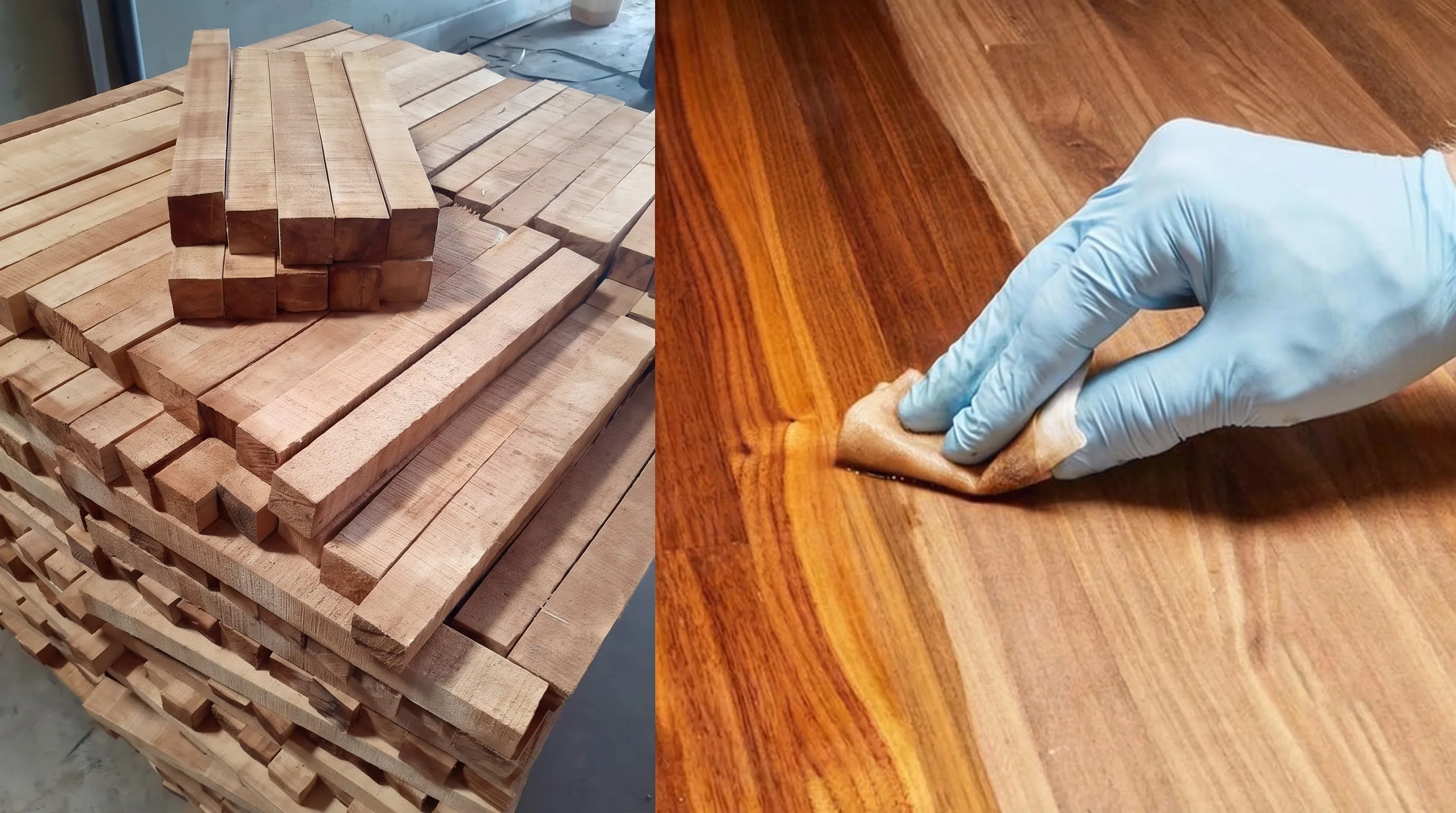
Material and finish
State timber, blank size, quantity and whether delivery is machine-finished or further refined.
From request to delivery
1. Evaluate source data
Review scale, model surfaces, errors and detail that can be translated into toolpaths.
2. Approve simulation or sample
Agree dimensions, depth, intended tooling and a physical sample where surface risk requires it.
3. Rough and finish machining
Machine with the approved strategy and leave allowance where subsequent hand work is planned.
4. Inspect and deliver
Compare dimensions, key details and surface condition with the approved scope.
Factors that affect the quotation
Model preparation
New modeling, repair or layer separation adds work compared with a ready model.
Size and detail
Area, depth, stepover and fine features strongly affect total machine time.
Post-machine finish
Separate cleaning, sanding and hand refinement when required.
TTW can confirm price, schedule, sample fees and warranty scope only after reviewing the order data. This page is not a quotation or a technical guarantee for a specific part.
What should sample approval and inspection cover?
- Overall size and depth match the approved revision.
- Critical details are compared with the sample or simulation.
- Natural blank defects are recorded before machining.
- Machine finish and hand-work scope are clearly separated.
Frequently asked questions
Can carving be made from a photograph?
A photograph can be a reference, but data usually needs modeling or preparation before toolpaths. Modeling scope and expected similarity must be agreed.
Does a CNC-carved surface require sanding?
It depends on timber, grain direction, stepover and finish requirements. The quotation should state whether delivery is machine-finished or includes further surface work.